


Agriculture has changed significantly over the last decade, but agricultural lending systems are still evolving to match the pace of transformation.
Traditional lending models have largely depended on lengthy paperwork, manual verification, and collateral-heavy processes. While these systems have worked for years, they often struggle to meet the speed and flexibility required in today’s agricultural economy.
Modern agriculture is becoming more connected, technology-enabled, and data-driven.
Farmers, traders, processors, and agri businesses are increasingly operating through digital marketplaces, warehouse ecosystems, satellite intelligence systems, and integrated supply chains. As agriculture evolves, financing models are also beginning to change.
This is where alternative data is becoming important.
What Is Alternative Data in Agricultural Finance?
Alternative data refers to non-traditional operational information used to support lending decisions.
In agriculture, this can include:
- warehouse records
- commodity transaction history
- crop cycles
- geo-tagged land information
- repayment behaviour
- supply chain participation
- digital trade activity
- inventory movement patterns
This data helps lenders build a broader understanding of operational strength and repayment capability.
Instead of relying only on static financial documents, lenders can now assess real-time agricultural activity and business performance.
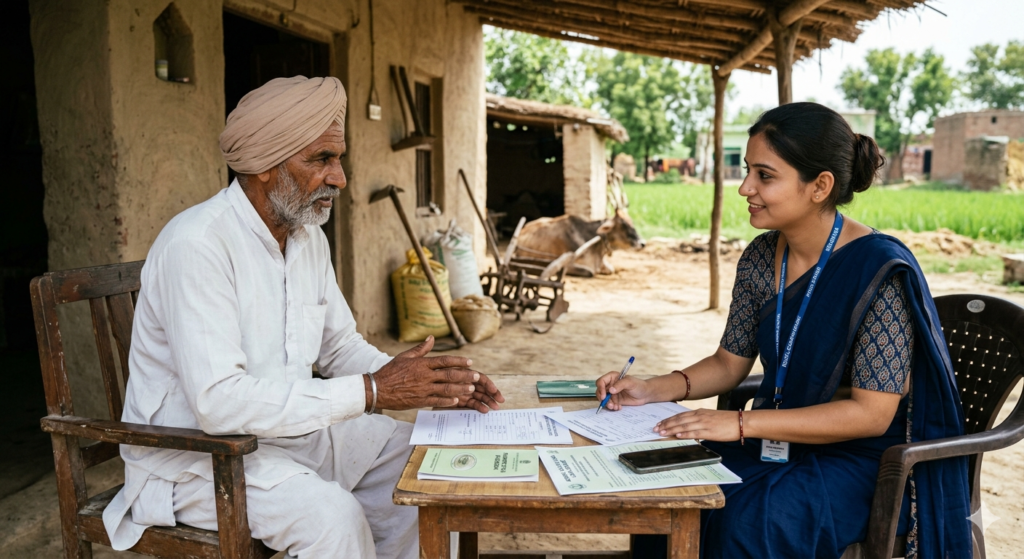
Why Alternative Data Matters in Agriculture
One of the biggest challenges in agricultural finance is timing. Delayed financing approvals can directly affect:
- procurement cycles
- inventory movement
- seasonal opportunities
- working capital management
- commodity trading operations
Agricultural businesses often require quick liquidity support to operate efficiently. Traditional lending systems can sometimes create delays because they depend heavily on manual verification and limited operational visibility.
Alternative data-driven lending models help reduce these gaps by enabling faster and more intelligent risk assessment. This is becoming increasingly important as agriculture itself becomes more digitised.
How Technology Is Reshaping Agricultural Finance
Technology adoption across agriculture is creating entirely new financing opportunities. The Indian agritech market is projected to witness strong growth over the coming years, supported by digitisation, financial inclusion, and connected agricultural ecosystems. At the same time, embedded finance models are becoming more common across agri ecosystems globally.
Digital marketplaces, warehouse ecosystems, and satellite-based intelligence platforms are generating valuable operational data every day. This is helping lending ecosystems become:
- faster
- more accessible
- more scalable
- more inclusive
- more efficient
The rise of technology-led underwriting is also helping improve financing accessibility for borrowers who may not always fit traditional lending frameworks.
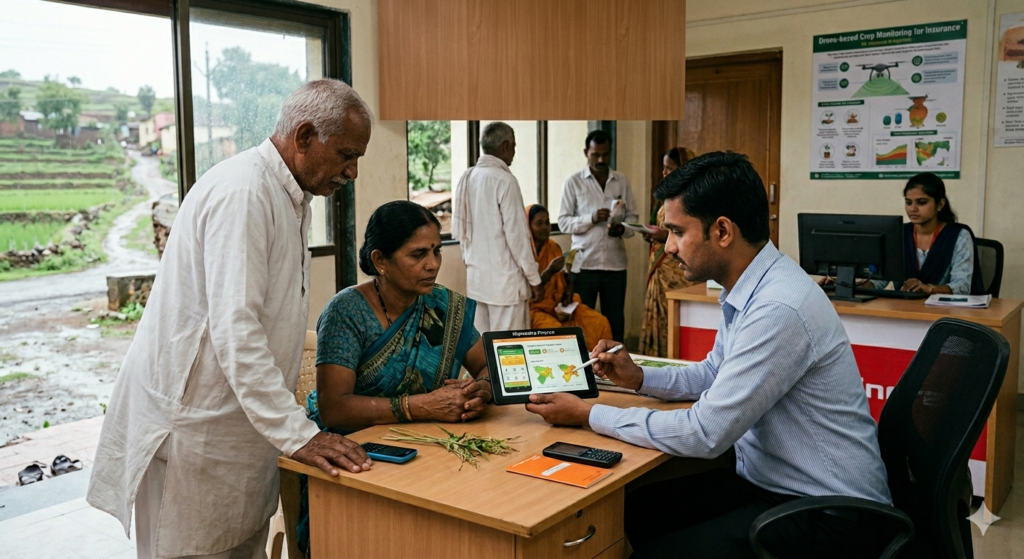
How Agriwise Is Supporting Faster Agricultural Finance
Agriwise is part of this evolving agri-finance ecosystem through its technology-enabled lending platform focused on simplifying access to capital. The company offers multiple financing solutions across the agricultural value chain, including:
- Warehouse Receipt Finance
- Invoice Bill Discounting
- Loans Against Property (LAP)
- Farmer Finance
- Solar Finance
Its ecosystem has already supported loan disbursements over ₹2,500 crore while serving more than 5,000 customers. The company has also simplified the lending experience through a quick 3-step loan application process with a 24-hour approval turnaround time. It also provides an online EMI calculator to create a hassle-free experience for the customer.
This kind of operational speed is becoming increasingly important in agriculture, where delayed financing can directly impact business outcomes.
The Future of Agricultural Lending Could Be Data-Driven
Agriculture is steadily becoming one of the most data-rich sectors in the economy. As digital adoption increases, agricultural lending could increasingly move toward:
- real-time underwriting
- intelligent risk assessment
- embedded finance ecosystems
- technology-led lending
- data-driven credit models
In the future, the strongest agricultural finance ecosystems may not simply depend on collateral alone. They may depend on how effectively lenders can understand agricultural behaviour through operational intelligence, technology, and alternative data.
And that could completely reshape the future of agricultural finance in India!
FAQs
- What is alternative data in agricultural lending?
Alternative data refers to non-traditional information such as warehouse records, transaction history, crop cycles, repayment behaviour, and supply chain activity used to support lending decisions. - Why is alternative data becoming important in agri finance?
Alternative data helps lenders make faster and more accurate credit decisions, especially in agriculture where traditional financial documentation may not fully reflect operational strength. - How does technology improve agricultural lending?
Technology helps streamline loan applications, underwriting, verification, and risk assessment. It also enables faster approvals and improves access to finance for agricultural stakeholders. - What financing solutions does Agriwise offer?
Agriwise offers Warehouse Receipt Finance, Invoice Bill Discounting, Loans Against Property (LAP), Farmer Finance, and Solar Finance solutions for agricultural businesses and stakeholders. - How fast is the Agriwise loan approval process?
Agriwise offers a simplified 3-step loan application process with a 24-hour approval turnaround time, helping businesses access quicker financing support.