

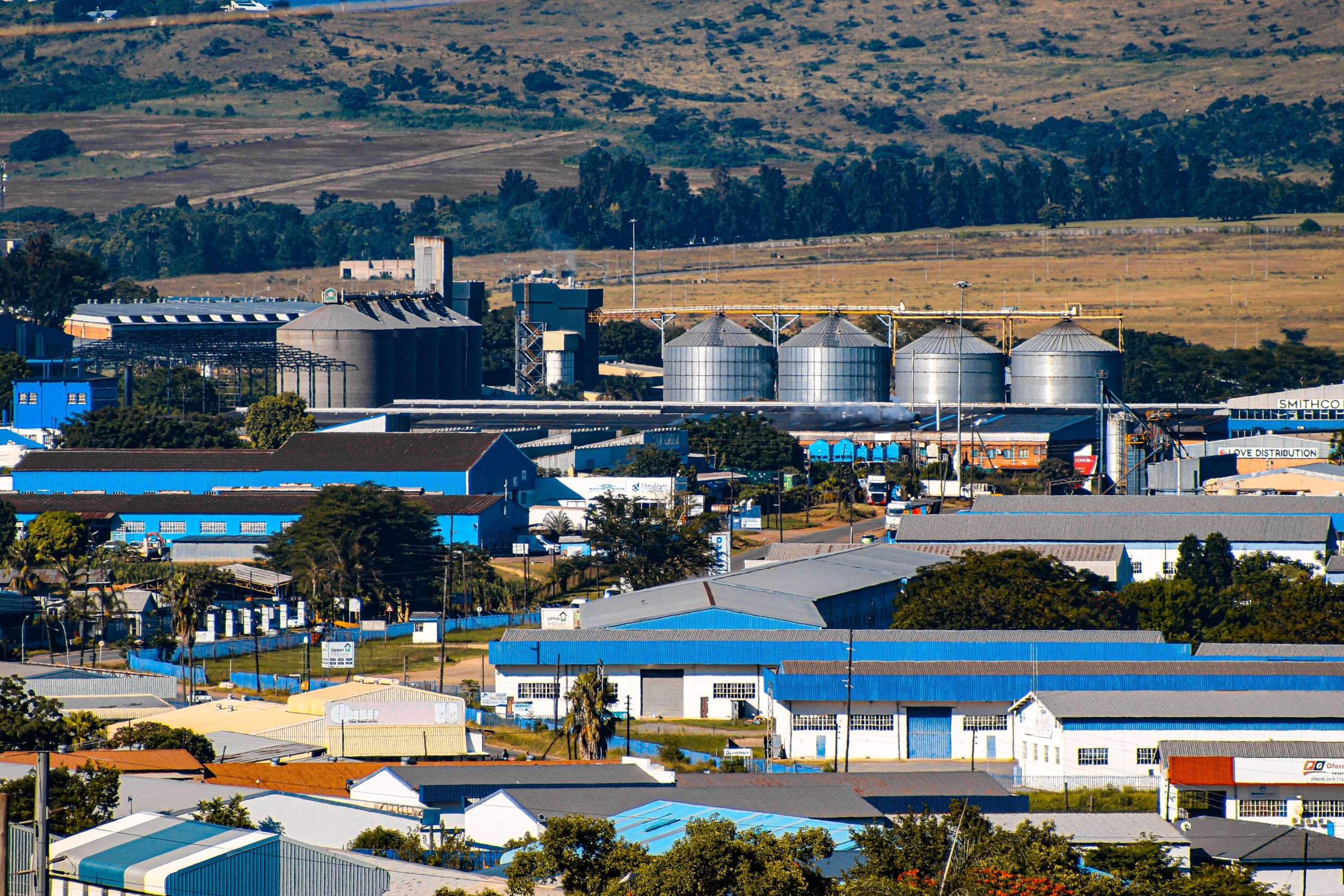
Constructing a new facility or expanding existing storage capacity, investments in warehousing can create long-term business opportunities. However, such projects require substantial capital, making access to the right financing an important consideration.
A warehouse loan can help businesses, entrepreneurs and agricultural enterprises fund construction, modernisation and infrastructure development without putting excessive pressure on their working capital. But how does one secure such funding? What do lenders look for, and how can borrowers prepare a strong loan application?
Why is warehouse infrastructure becoming more important?
India’s agricultural ecosystem needs storage infrastructure that can accommodate increasing production while maintaining quality and minimising post-harvest losses. Warehouses, cold storage facilities, silos and scientific storage units play an important role in connecting agricultural production with markets.
According to the Ministry of Cooperation, India’s foodgrain production was estimated at approximately 376.56 million tonnes for 2025–26, highlighting the growing importance of adequate storage infrastructure.
The government’s Agriculture Infrastructure Fund (AIF) is another indicator of this growing focus. As of September 2025, approximately ₹73,155 crore had been sanctioned for 1.27 lakh projects under the scheme, covering various post-harvest management and agricultural infrastructure investments.
For businesses planning to enter or expand the warehousing sector, this creates opportunities across multiple areas, including grain storage, cold chains, processing infrastructure and modern warehouse facilities.
- Understand the type of warehouse loan you need
The first step towards securing a warehouse loan is identifying the purpose of the investment. Different projects require different funding structures. Some common financing requirements include:
- New warehouse construction: Funding land development, civil construction, roofing, flooring and basic infrastructure.
- Warehouse expansion: Increasing storage capacity, adding new storage units or developing additional facilities.
- Infrastructure modernisation: Installing ventilation, fire safety systems, material handling equipment and digital inventory management solutions.
- Cold storage development: Setting up refrigeration systems, insulation, temperature monitoring and backup power infrastructure.
- Technology upgrades: Investing in automation, warehouse management systems and quality monitoring equipment.
Clearly identifying the requirement helps borrowers estimate the project cost and approach lenders with a more focused proposal.
- Explore suitable financing options
Warehouse development can be funded through different financial products, depending on the borrower’s business profile, project requirements and available security. Term loans are commonly considered for long-term capital expenditure, including construction and infrastructure development. Secured business loans may also be suitable for eligible businesses that have property or other acceptable collateral.
Government-supported schemes can provide additional financing opportunities. Under the Agriculture Infrastructure Fund, eligible projects can receive an interest subvention of 3% per annum on loans up to ₹2 crore for a maximum period of seven years, subject to scheme conditions. Borrowers should assess eligibility, applicable interest rates, repayment schedules, collateral requirements and available government support before selecting a financing arrangement.
- Prepare a detailed project report
A well-prepared project report can significantly improve the quality of a loan application. It gives lenders a clearer understanding of the proposed investment, its financial requirements and its commercial potential. A warehouse construction or expansion report should ideally include:
- Project location and proposed storage capacity.
- Land ownership or lease documentation.
- Estimated construction and equipment costs.
- Proposed warehouse design and infrastructure specifications.
- Expected demand and potential customer segments.
- Revenue projections and operating expenses.
- Proposed repayment plan and cash flow estimates.
For expansion projects, existing occupancy levels, customer contracts and operational performance can further strengthen the proposal.
- Check your eligibility and documentation
Lenders generally assess a borrower’s financial position, repayment capacity, business experience and available collateral before approving a warehouse loan. The documentation may include identity and address proofs, business registration documents, bank statements, income tax returns, audited financial statements, land ownership papers, construction approvals and project estimates.
Businesses should also ensure that the proposed facility complies with applicable building regulations, local permissions, fire safety requirements and other relevant standards. Having these documents ready can make the application process more organised and reduce unnecessary delays.
- Assess the financial viability of the project
A warehouse may generate income through storage charges, handling services, leasing arrangements and value-added services. However, the revenue potential depends on several factors. Before applying for a loan, borrowers should evaluate:
- Expected warehouse occupancy.
- Storage demand in the surrounding agricultural region.
- Seasonal fluctuations in commodity arrivals.
- Maintenance, electricity and manpower expenses.
- Insurance and compliance costs.
- Expected cash flow and repayment commitments.
For instance, a grain warehouse located close to major agricultural production centres may experience different demand patterns from a temperature-controlled facility serving food processing businesses. A realistic financial assessment helps determine whether the project can support its loan obligations over time.
- Choose a financing partner that understands your business
Infrastructure financing requires more than simply arranging capital. Businesses need a lending partner that understands agricultural operations, seasonal cash flows and the commercial requirements of warehousing.
Agriwise Finserv Limited, an RBI-registered NBFC, offers financial solutions across agricultural and business segments. Its offerings include Agri Term Loans, Secured Business Loans, Warehouse Receipt Finance, Farmer Finance, Supply Chain Finance, and Customised Working Capital.
Depending on eligibility and the nature of the requirement, businesses can explore suitable secured financing options while evaluating their infrastructure investment plans. Warehouse Receipt Finance, in particular, serves a different purpose: it helps eligible borrowers access funds against stored agricultural commodities rather than directly financing warehouse construction.
- Plan for repayment before taking the loan
Securing a loan is only one part of the investment journey. Managing repayments is equally important.
Borrowers should consider the construction timeline, expected operational start date, initial occupancy levels and the time required to generate stable revenue. They should also account for interest costs, working capital requirements and unexpected project expenses. A repayment structure aligned with the project’s cash flow can help businesses manage their financial commitments more comfortably.
Building warehousing infrastructure for long-term growth
Agricultural warehousing presents opportunities for businesses looking to strengthen India’s post-harvest ecosystem. However, successful infrastructure development depends on the right combination of planning, capital, location and operational efficiency.
Whether the requirement involves constructing a new warehouse, expanding storage capacity or upgrading existing infrastructure, understanding the available financing options is essential. With agriculture-focused financial solutions, Agriwise aims to support businesses and entrepreneurs in addressing their evolving capital requirements and building stronger agricultural enterprises.
FAQs
- Can I get a loan to construct a new agricultural warehouse?
Yes. Eligible businesses can explore term loans and other secured financing arrangements for warehouse construction, subject to the lender’s assessment, project viability and applicable conditions.
- What documents are required for a warehouse construction loan?
Common requirements include identity and address proofs, business registration documents, financial statements, bank statements, land ownership documents, construction estimates and project reports.
- Can I get financing to expand an existing warehouse?
Yes. Businesses can approach lenders for expansion financing, supported by details of existing capacity, proposed additions, project costs and expected revenue.
- Are there government schemes that support warehouse construction?
Yes. The Agriculture Infrastructure Fund supports eligible post-harvest infrastructure projects, including warehouses, cold storage and other agricultural facilities, through interest subvention and credit guarantee provisions.
- How much of a loan can I get for warehouse construction?
The amount depends on project cost, repayment capacity, business financials, collateral and the lender’s assessment. Eligible projects may also explore government-backed financing support.