


The journey for a farmer never ends at harvesting the crops. Instead, once the crop is harvested, another question arises: How to manage money while the crop is still in storage?
Usually, a farmer wants to wait for a better market price instead of selling immediately. Similarly, a trader may need working capital to purchase the next lot of commodities. A processor may need funds to maintain inventory until production or sales take place. In each case, the commodity has value, but that value is tied up in physical stock.
This is where warehouse receipt finance, a part of post-harvest finance, can make a practical difference.
India’s agricultural credit ecosystem is already expanding to address such needs. The government’s Ground Level Credit target for agriculture and allied activities has been set at ₹32.5 lakh crore for 2025–26, with a dedicated ₹10,000 crore sub-target for loans against electronic Negotiable Warehouse Receipts (e-NWRs).
Why does post-harvest finance matter?
A farmer already spends money on seeds, fertilisers, labour and other inputs. Once the crop is harvested, there may be additional expenses for transportation, storage, processing or trading. Selling immediately can provide liquidity, but it may also mean accepting a price that is not ideal. This is particularly relevant because post-harvest losses continue to affect agricultural commodities. A 2022 NABCONS study covering 54 commodities estimated losses of 3.89–5.92% for cereals, 5.65–6.74% for pulses and 2.87–7.51% for oilseeds.
Better storage and access to finance can work together. When commodities are stored properly and the owner has access to working capital, there can be greater flexibility to decide when and how to sell.
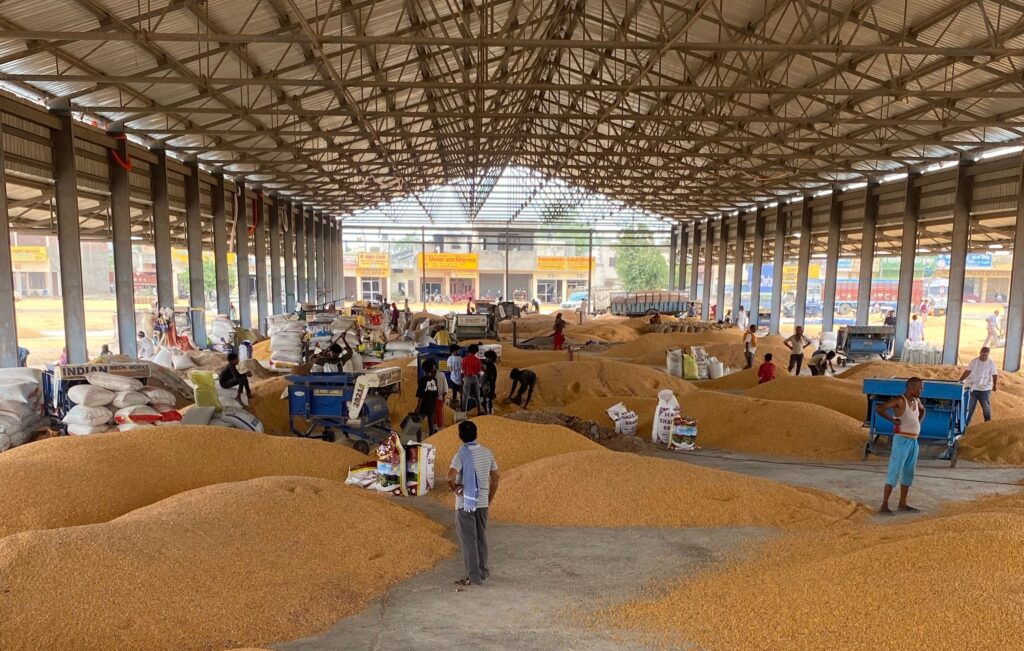
What happens when a crop enters a warehouse?
Once agricultural commodities are stored in a professional warehouse, the stock can be documented through a warehouse receipt. The receipt provides information related to the commodity held in storage and establishes a basis for financing against eligible inventory.
Instead of selling the commodity immediately to generate cash, an eligible borrower can use the stored inventory as the basis for short-term financing, subject to the lender’s assessment and applicable terms. This can be useful for farmers, traders and processors who have valuable inventory but need liquidity for their next business requirement.
The government has also been actively supporting this financing model. The Credit Guarantee Scheme for e-NWR Based Pledge Financing was introduced with a ₹1,000 crore corpus to encourage post-harvest lending against electronic warehouse receipts and reduce the risk for lenders.
How Agriwise’s Warehouse Receipt Finance works
Agriwise Finserv is an RBI-registered NBFC focused on financing the agriculture and MSME segments. It offers Warehouse Receipt Finance to eligible farmers, agricultural commodity traders and processors requiring short-term working capital against Staragri warehouse-stored commodities.
The loan provides:
- Loan amount up to ₹10 crore for short-term working capital needs
- Loan-to-Value (LTV) of up to 75% of the value of goods pledged or covered by the warehouse receipt
- Loans up to ₹5 crore without financial documents, subject to applicable eligibility and assessment
- Access to an extensive pan-India network of StarAgri professional warehouses
Who can benefit from Warehouse Receipt Finance?
Farmers: Farmers who store eligible commodities can potentially access liquidity without having to sell their produce immediately. This can provide greater flexibility around post-harvest expenses and market timing.
Agricultural Commodity Traders: Traders often need working capital to purchase additional inventory while existing stocks are still being held. Finance against warehouse-stored commodities can help support this cycle.
Processors: Processors may need to maintain adequate raw-material inventory before it enters production. Working capital against stored commodities can help them manage procurement and operational cash flows.
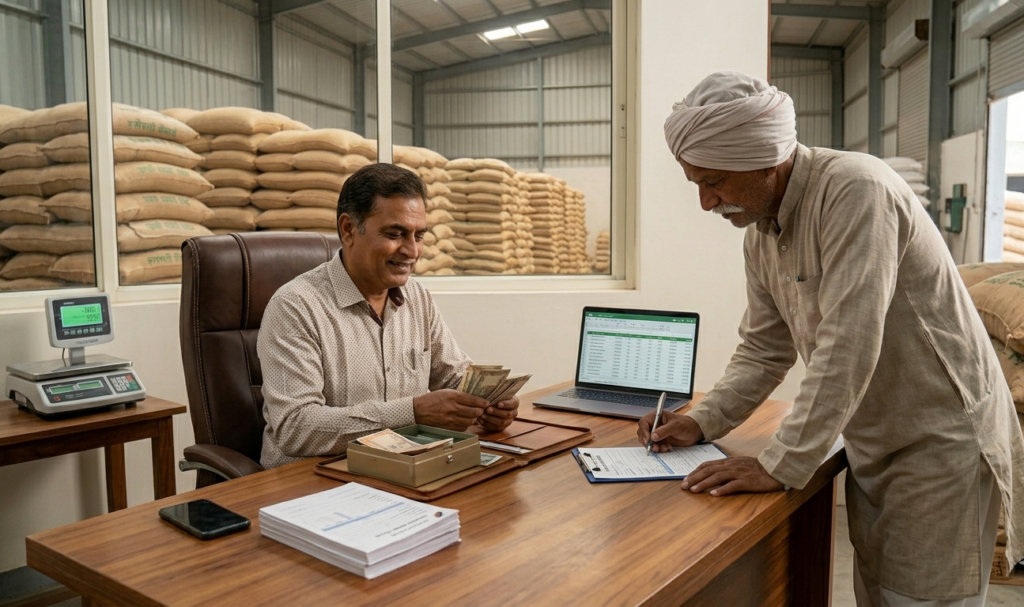
Why professional warehousing matters
Finance against stored commodities depends on the inventory, which makes the quality of the warehouse and the systems used to monitor commodities important. A professional warehouse can provide structured storage, inventory records, commodity monitoring and documentation. When storage and finance are connected, the physical commodity becomes a recognised asset that can support working capital.
This is also why the government’s policy focus increasingly connects warehousing with agricultural finance. The Credit Guarantee Scheme for e-NWR-based pledge financing specifically aims to encourage scientific storage, improve liquidity and expand post-harvest lending.
Post-Harvest Finance is crucial in India
Instead of a farmer or trader being forced into an immediate sale because cash is required, an eligible borrower can potentially access working capital while the commodity remains stored. This can help separate the need for liquidity from the decision to sell. For an agricultural economy as large and diverse as India’s, that distinction matters.
As agricultural credit expands and electronic warehouse receipts become a stronger part of the financing ecosystem, warehouse receipt finance can play an increasingly important role in connecting stored commodities with working capital. For farmers, traders and processors, the journey of a crop can become the foundation for the next stage of the business with the right storage and financial infrastructure.
FAQs
- What is post-harvest finance?
Post-harvest finance refers to funding available after agricultural produce has been harvested. It can help farmers, traders and processors meet working capital requirements related to stored commodities, processing, trading and other post-harvest activities. - What is warehouse receipt finance?
Warehouse Receipt Finance is short-term financing provided against eligible agricultural commodities stored in a professional warehouse and covered by a warehouse receipt. It allows eligible borrowers to access working capital without necessarily selling their stored inventory immediately. - Who can apply for Agriwise Warehouse Receipt Finance?
Agriwise’s WHR Finance is designed for agricultural commodity traders, processors and farmers who have eligible agricultural stocks stored in StarAgri professional warehouses, subject to applicable eligibility and assessment. - How much finance can be availed through Agriwise WHR Finance?
Agriwise offers short-term working capital loans of up to ₹10 crore, with an LTV of up to 75% of the value of goods pledged or covered by the warehouse receipt. - Why is professional warehousing important for warehouse receipt finance?
Professional warehousing provides structured storage and documentation of agricultural inventory. This helps establish greater visibility around the commodity that forms the basis of warehouse receipt financing and supports a more organised post-harvest financing process.