


agri business loan

Crop Loan vs Agri Business Loan: Understanding the Key Differences and Choosing the Right Finance

July 02, 2026

Institutional credit to India’s agriculture sector has grown steadily over the years, reflecting the increasing need for timely and accessible finance across the agricultural value chain. While crop loans remain essential for seasonal farming activities, financing requirements today extend far beyond cultivation, covering storage, processing, trade, exports and agri-enterprise growth.

Ask someone about agricultural finance, and chances are they’ll mention a crop loan.

That’s not surprising. Crop loans have long been one of the most common forms of financing available to farmers, helping them purchase seeds, fertilisers, pesticides and other seasonal inputs.

But agriculture has changed.

Today’s agricultural ecosystem includes traders, processors, Farmer Producer Organisations (FPOs), exporters, warehouse operators, food manufacturers and countless agri-enterprises that require financing for entirely different reasons.

A trader purchasing commodities after harvest doesn’t need a crop loan. Neither does a processor expanding a milling unit or an exporter managing working capital. This is where agribusiness loans come into the picture.

Understanding the difference between the two can help businesses and farmers choose financing that truly matches their requirements.

What is a Crop Loan?

A crop loan is a short-term credit facility designed primarily to support cultivation expenses during a cropping season. Farmers typically use crop loans to finance:

  • Seeds
  • Fertilisers
  • Pesticides
  • Irrigation
  • Labour costs
  • Farm operations

Repayment is generally aligned with the harvesting cycle, making crop loans well suited for seasonal agricultural activities.

The objective is simple: to ensure farmers have timely access to working capital during cultivation.

farm start up loans

What is an Agri Business Loan?

An agri-business loan serves a much broader purpose. Instead of funding crop cultivation alone, it supports businesses operating across the agricultural value chain. These loans may be used for:

  • Commodity procurement
  • Working capital
  • Warehouse expansion
  • Processing infrastructure
  • Equipment purchases
  • Business growth
  • Trade finance

Unlike crop loans, agri-business finance is designed around business operations rather than agricultural seasons.

Crop Loan vs Agri Business Loan: A Quick Comparison

Feature

Crop Loan Agri Business Loan

Purpose

Seasonal cultivation expenses

Business operations and expansion

Borrowers

Individual farmers

Traders, processors, FPOs, exporters, agri enterprises

Loan tenure

Usually short-term

Short or long-term, depending on purpose

Repayment

Linked to crop harvest

Based on business cash flow

Usage

Seeds, fertilisers, irrigation, labour Procurement, infrastructure, working capital, trade
Scale Farm-level

Enterprise-level

Both financing options play an important role, but they solve different challenges.

Choosing the Right Finance

The best loan isn’t determined by the amount you can borrow. It’s determined by why you need the finance.

If your objective is to cultivate a crop during a season, a crop loan is generally the appropriate choice. However, if you’re managing inventory, purchasing commodities, expanding infrastructure or supporting business growth, an agri business loan is often more suitable because it is designed around commercial operations rather than seasonal farming.

Understanding this distinction can prevent businesses from choosing financing that doesn’t align with their cash flow or operational requirements.

loans india

Beyond traditional lending

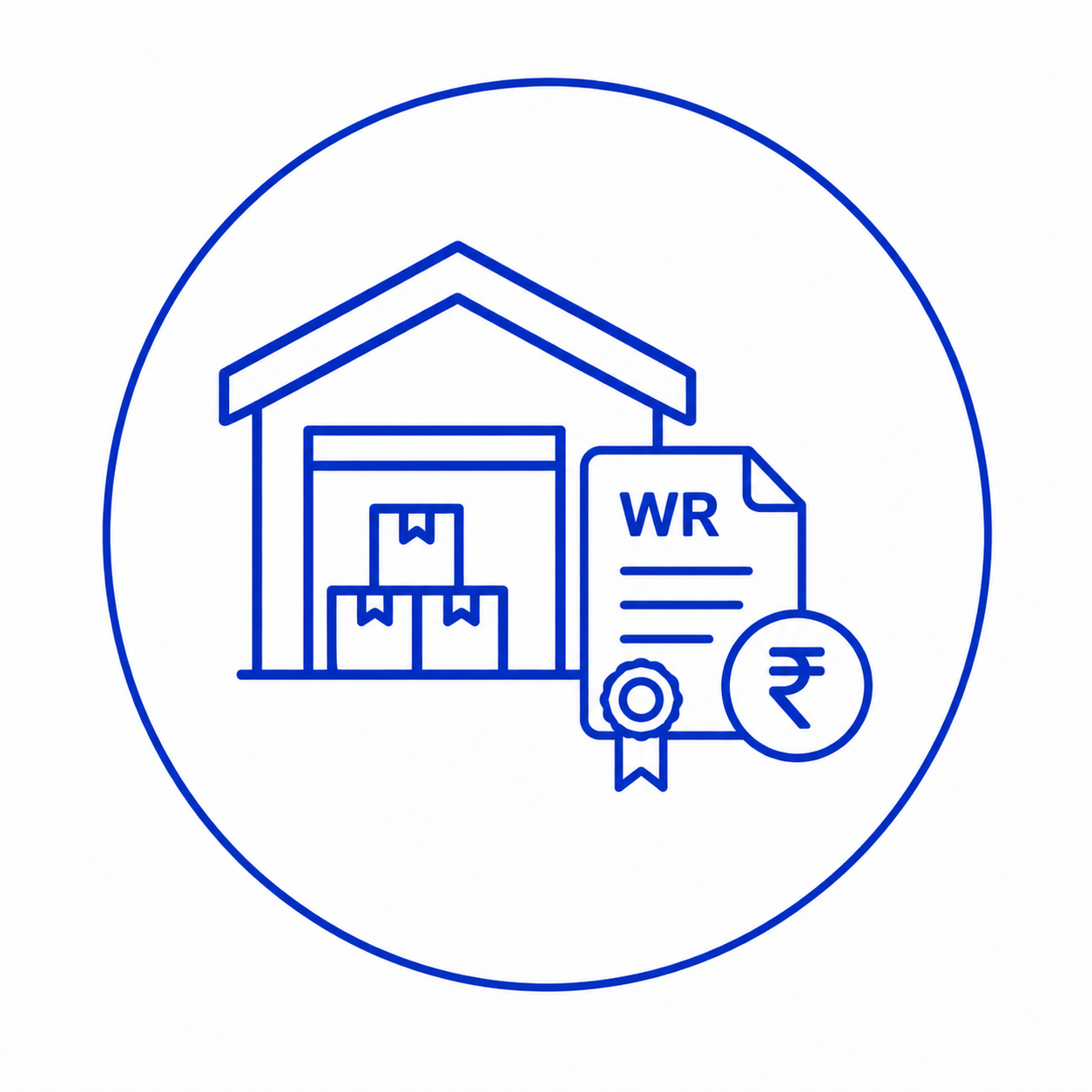
Agribusinesses today may require financing against warehouse receipts, invoice discounting, property-backed lending or even renewable energy investments.

This shift reflects the growing complexity of India’s agricultural economy, where financing needs now extend well beyond production.

How Agriwise Supports the Agricultural Ecosystem

As agricultural businesses continue to evolve, financing solutions also need to become more flexible.

Agriwise addresses this need by offering a range of financial solutions designed for different participants across the agricultural value chain, including:

  • Warehouse Receipt Finance enables businesses to unlock liquidity against stored commodities.
  • Invoice Bill Discounting helps improve cash flow by financing receivables.
  • Loans Against Property (LAP) for business expansion and long-term capital requirements.
  • Farmer Finance supports cultivation and allied agricultural activities.
  • Solar Finance is encouraging investment in sustainable energy solutions for agriculture.

Rather than offering a one-size-fits-all approach, Agriwise focuses on aligning financing with the specific needs of farmers, traders, processors and agri-enterprises.

agri lending

Conclusion

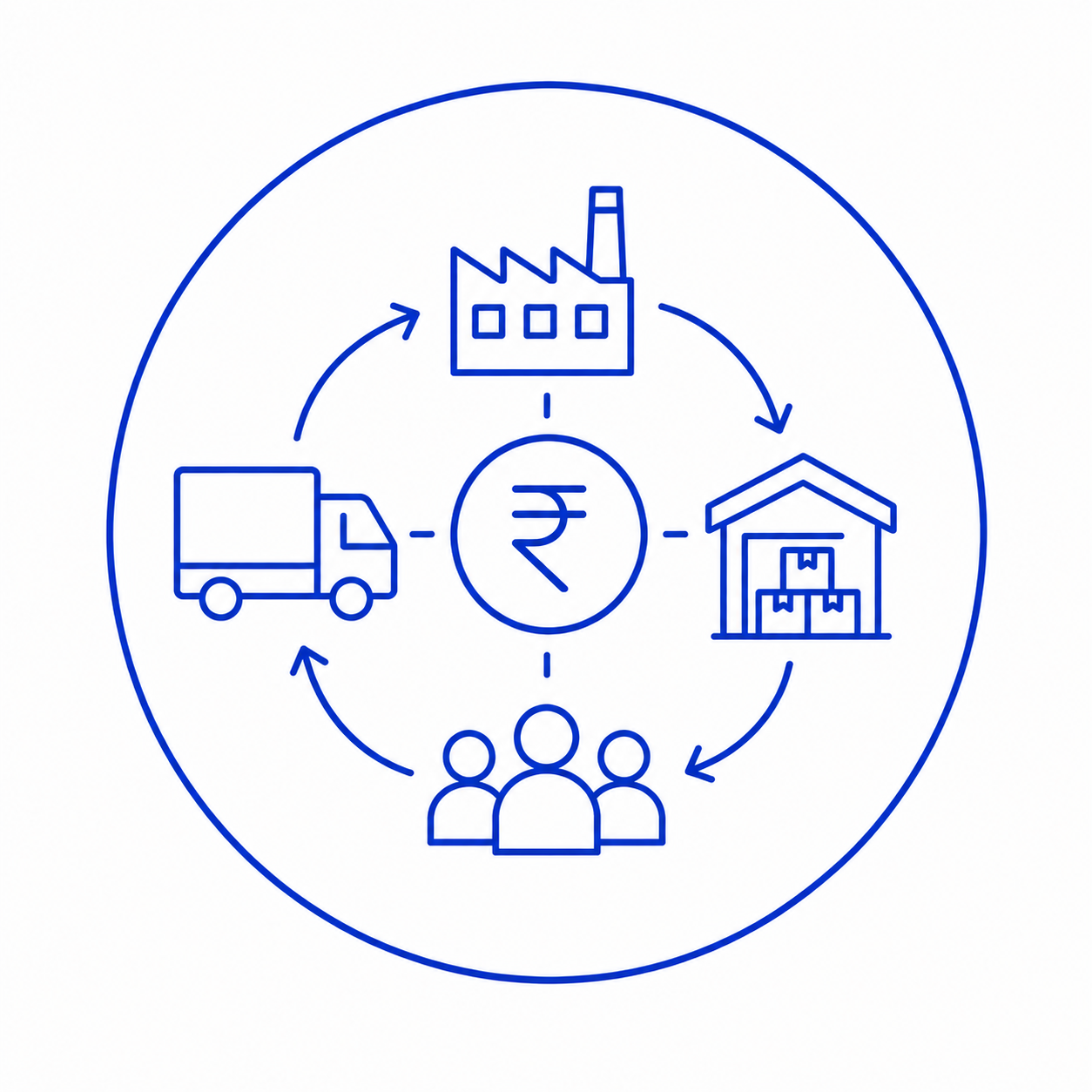
Modern-day agriculture is an interconnected ecosystem of production, storage, trade and value addition. As the sector continues to modernise, financing decisions need to reflect that complexity. Agriwise helps you do that.

Choosing between a crop loan and an agri business loan isn’t simply about eligibility. It’s about selecting the right financial tool for the right objective. The right finance doesn’t just add funds but also enables growth across the agricultural value chain.

FAQs

  • What is the difference between a crop loan and an agri-business loan?
    A crop loan finances seasonal cultivation, while an agri business loan supports business activities such as procurement, storage, processing and working capital.
  • Who is eligible for a crop loan?
    Crop loans are generally available to farmers engaged in cultivation who require seasonal finance for agricultural inputs and operations.
  • Can agri businesses apply for crop loans?
    Crop loans are primarily intended for cultivation. Businesses involved in trading, processing or infrastructure typically require agribusiness finance instead.
  • What types of financing does Agriwise offer?
    Agriwise offers Farmer Finance, Warehouse Receipt Finance, Invoice Bill Discounting, Loans Against Property and Solar Finance.
  • How do I decide which loan is right for me?
    The right choice depends on your purpose. Seasonal farming activities generally require crop loans, while business expansion, commodity procurement and working capital are better suited to agri business loans.

Disclaimer

The content published on this blog is provided solely for informational and educational purposes and is not intended as professional or legal advice. While we strive to ensure the accuracy and reliability of the information presented, Agriwise make no representations or warranties of any kind, express or implied, about the completeness, accuracy, suitability, or availability with respect to the blog content or the information, products, services, or related graphics contained in the blog for any purpose. Any reliance you place on such information is therefore strictly at your own risk. Readers are encouraged to consult qualified agricultural experts, agronomists, or relevant professionals before making any decisions based on the information provided herein. Agriwise, its authors, contributors, and affiliates shall not be held liable for any loss or damage, including without limitation, indirect or consequential loss or damage, or any loss or damage whatsoever arising from reliance on information contained in this blog. Through this blog, you may be able to link to other websites that are not under the control of Agriwise. We have no control over the nature, content, and availability of those sites and inclusion of any links does not necessarily imply a recommendation or endorsement of the views expressed within them. We reserve the right to modify, update, or remove blog content at any time without prior notice.