
All posts by Jyoti Sharma

What are the best finance options for Indian farmers in 2025?

December 10, 2025

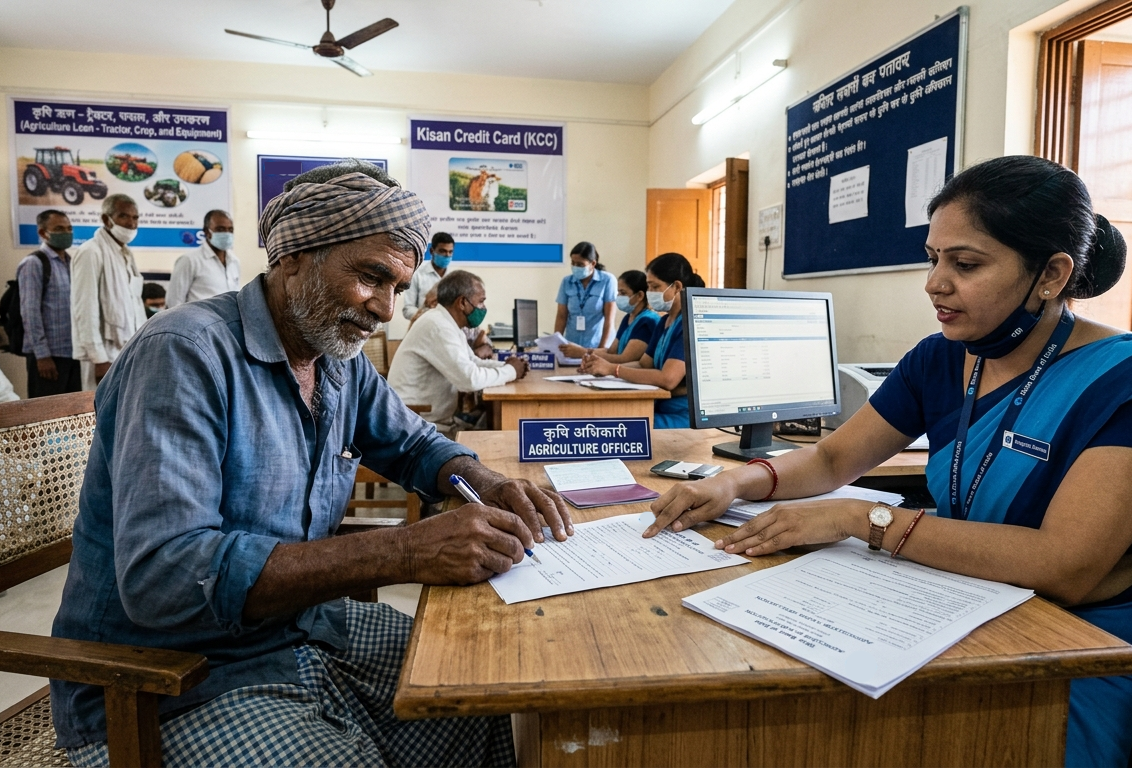
As Indian agriculture modernises, choosing the right finance options determines whether a farmer merely survives or grows. In FY2024–25, institutional agricultural credit disbursements rose sharply, reaching around ₹28.7 lakh crore against the government target, reflecting stronger formal lending to the sector. Against the prior year’s ₹25.48 lakh crore disbursed in FY2023–24, this shows rising access to credit in rural India. 

In this article, we see 4 practical finance options that are proving most useful to Indian farmers in 2025.

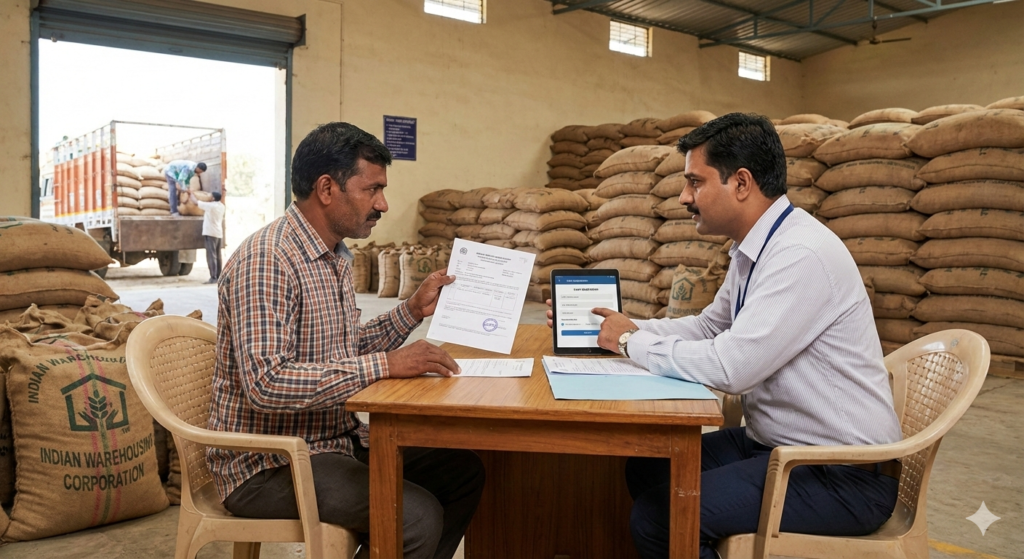
  • Loan Against Property (LAP): Loan Against Property is a secured lending option in which land or residential/commercial property is pledged to obtain a larger ticket loan. LAP suits farmers who need substantial funds for land improvement, mechanisation, or the establishment of cold storage. Use LAP when planned investments promise multi-year returns (e.g., warehouse or drip irrigation installations).
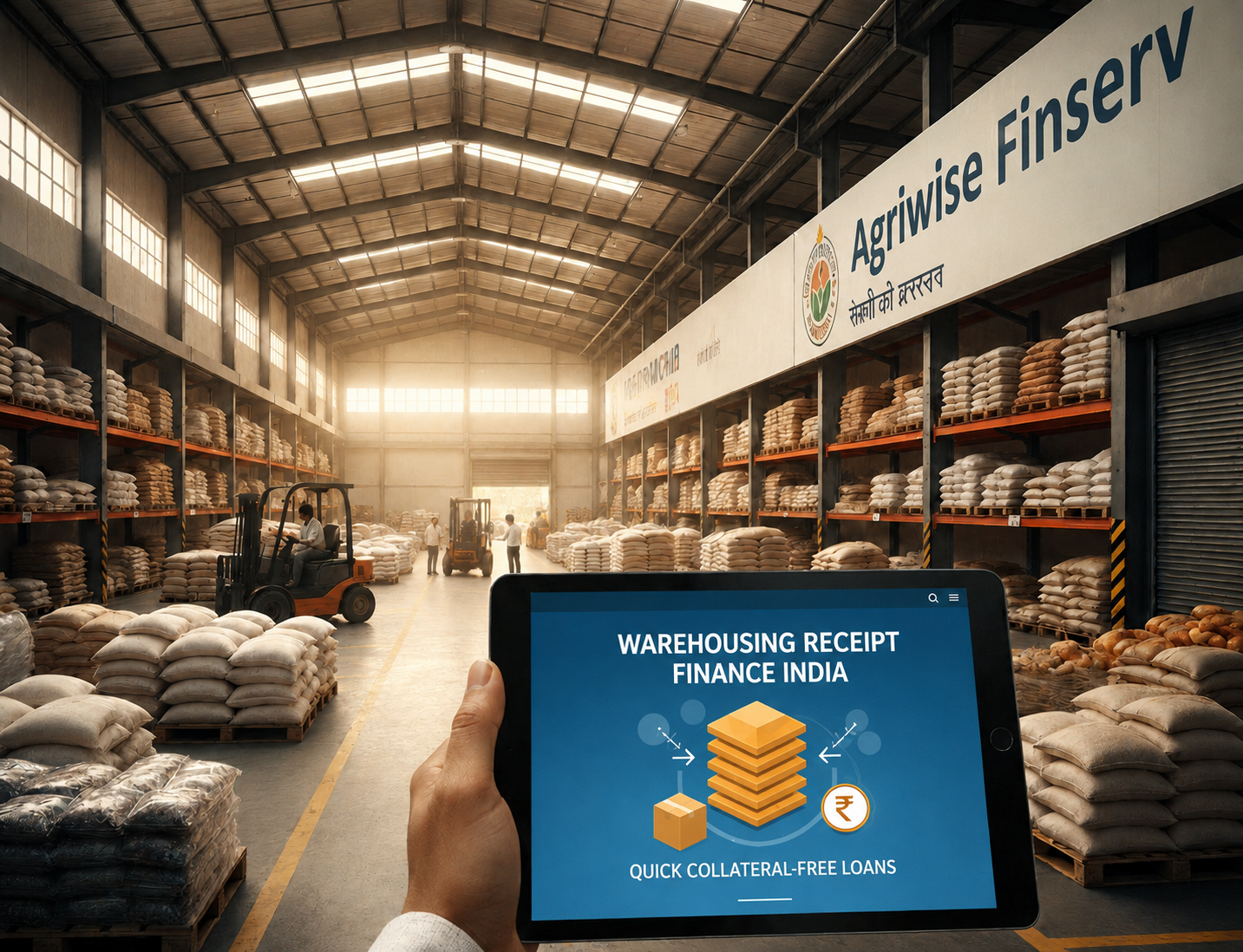
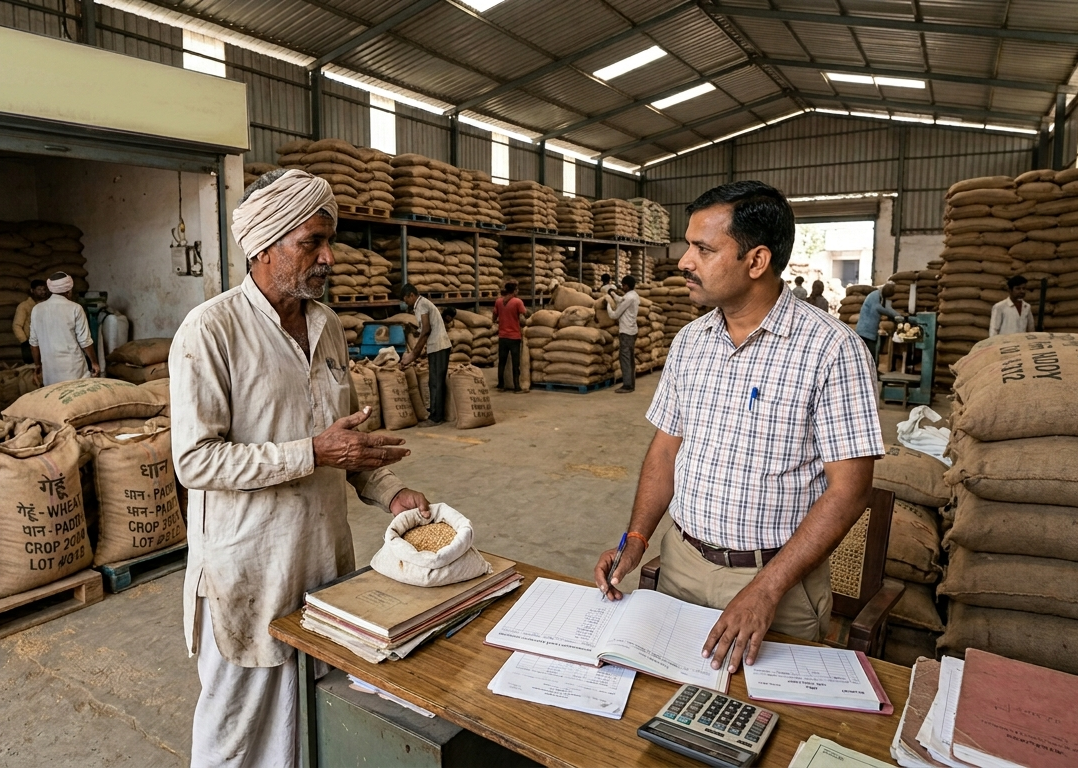
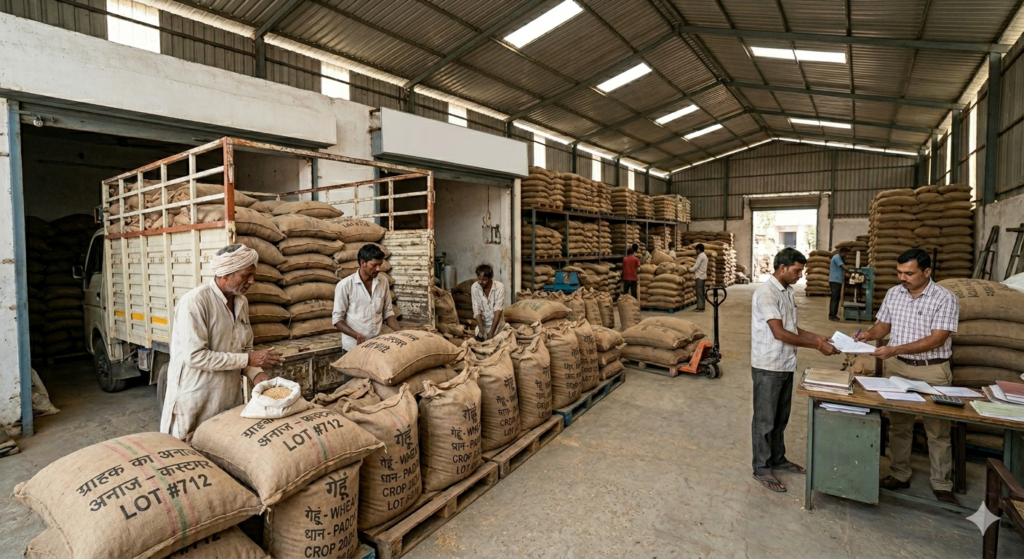
  • Warehouse Receipt Financing (WRF): Warehouse Receipt Financing converts stored produce under accredited warehouses into collateral to borrow against, enabling farmers or aggregators to avoid distress sales at harvest. WRF is ideal for commodity traders, farmer-producer organisations (FPOs), and farmers with access to certified warehousing — it preserves price upside and improves cash flow.

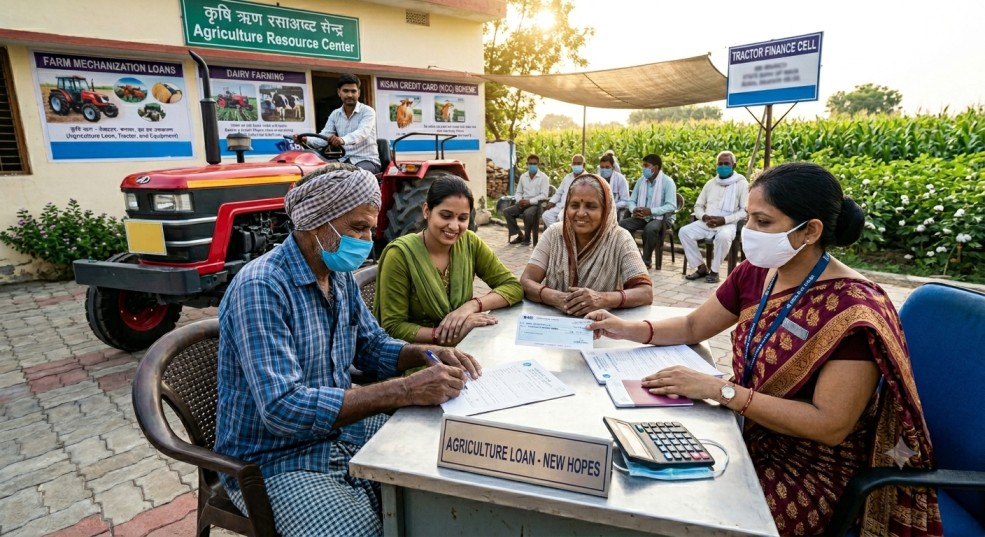
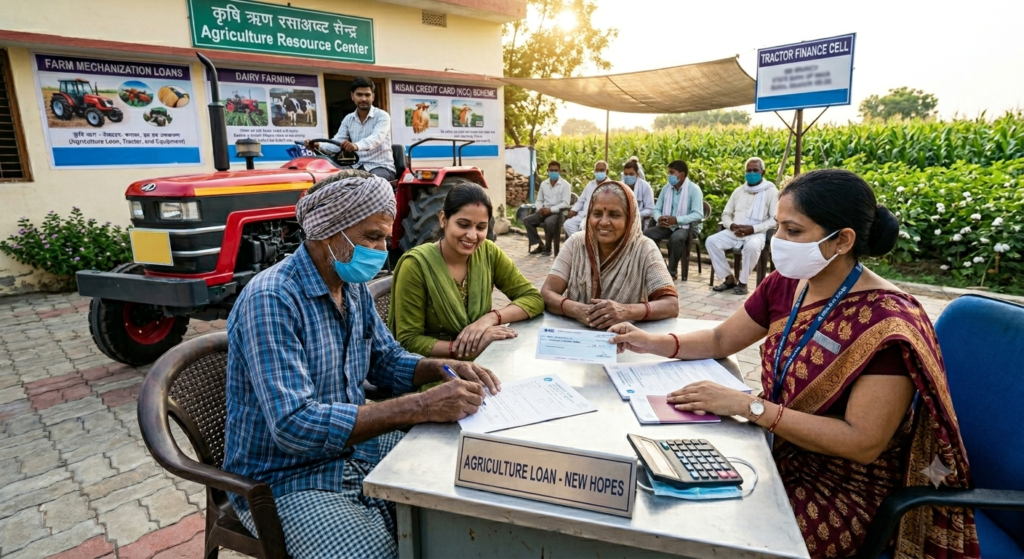
finance options


  • Invoice / Supply chain Finance: Invoice financing (including factoring) helps farmers, aggregators and agri-SMEs turn receivables into immediate cash by discounting invoices from processors or buyers. This is best for those integrated into off-take contracts (dairy, vegetables, contract farming) and for enterprises that supply inputs or buy and sell commodities.
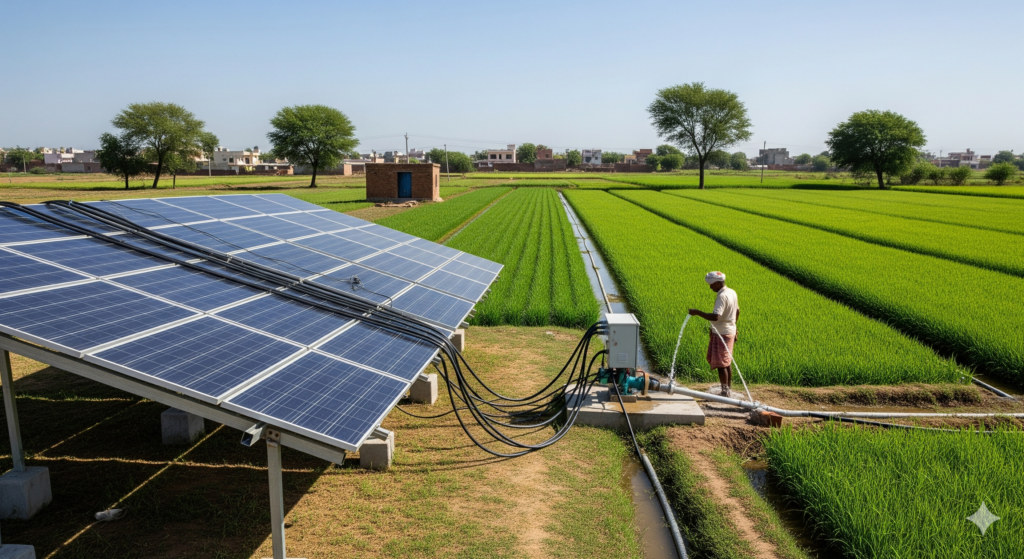
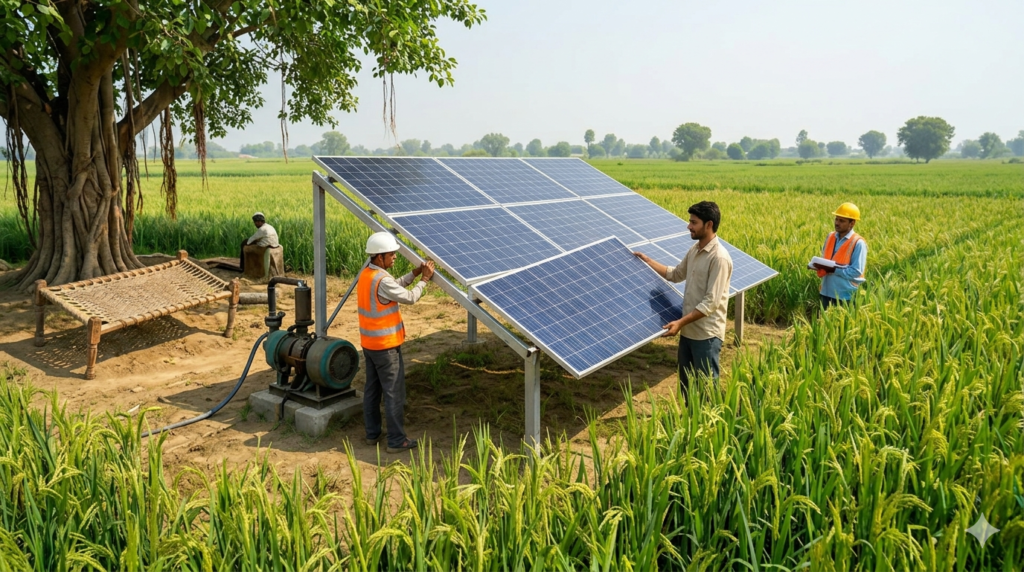
  • Solar Loans: Solarisation (pump sets, rooftops, cold-chain) is growing as a dual-purpose solution: lower electricity cost and potential revenue from surplus sale. Rooftop and agricultural solar financing is now widely available through banks, NBFCs and government-subsidised schemes, making solar loans attractive for long-term savings. India’s rooftop and distributed solar deployment continues to expand, strengthening the case for targeted solar finance.

Picking the correct finance option: A simple decision guide

  • Short-term working capital (seasonal inputs): consider WRF or invoice finance.
  • Large, long-term investments (warehouses, machinery): consider LAP or term loans.
  • Energy cost reduction / cold chain: choose solar loans with subsidy layering.
  • For assured buyer contracts: invoice finance may be the fastest.

2025 is a better year to access formal agri credit

Policy focus and rising lender appetite have expanded the availability of credit. Institutional disbursements rose to ₹28.7 lakh crore (FY2024–25), reflecting stronger outreach and diverse product offerings from banks, NBFCs and fintechs, a positive backdrop for farmers seeking customised finance solutions.

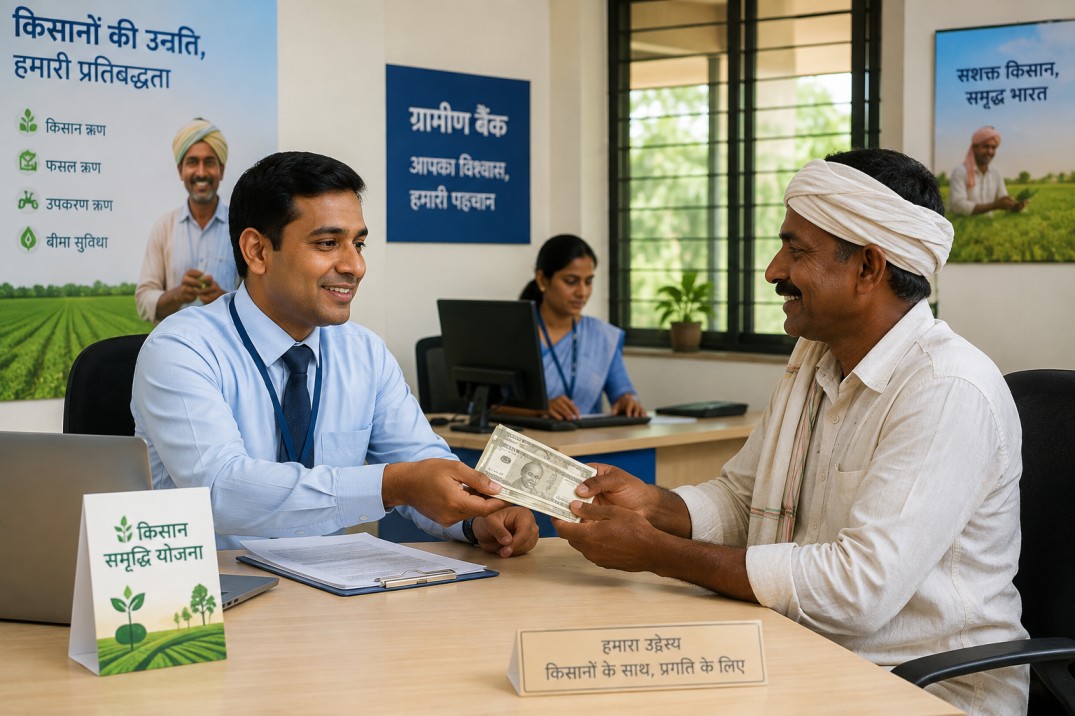
types of financial options

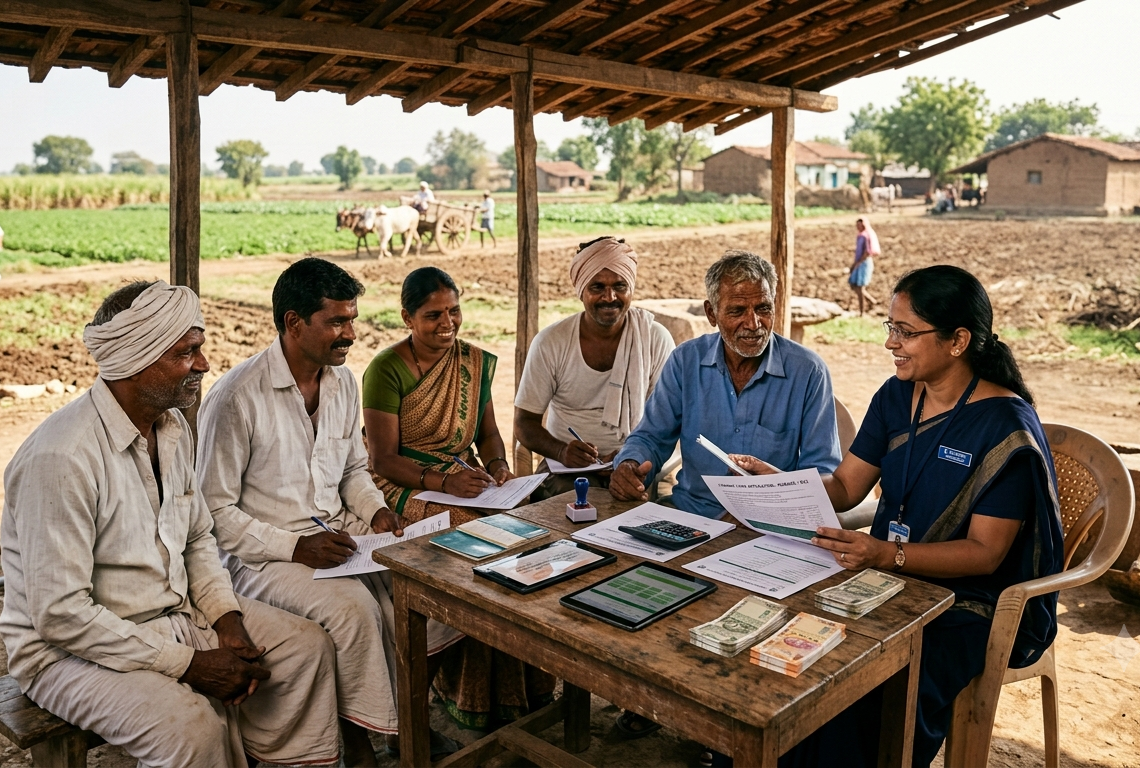
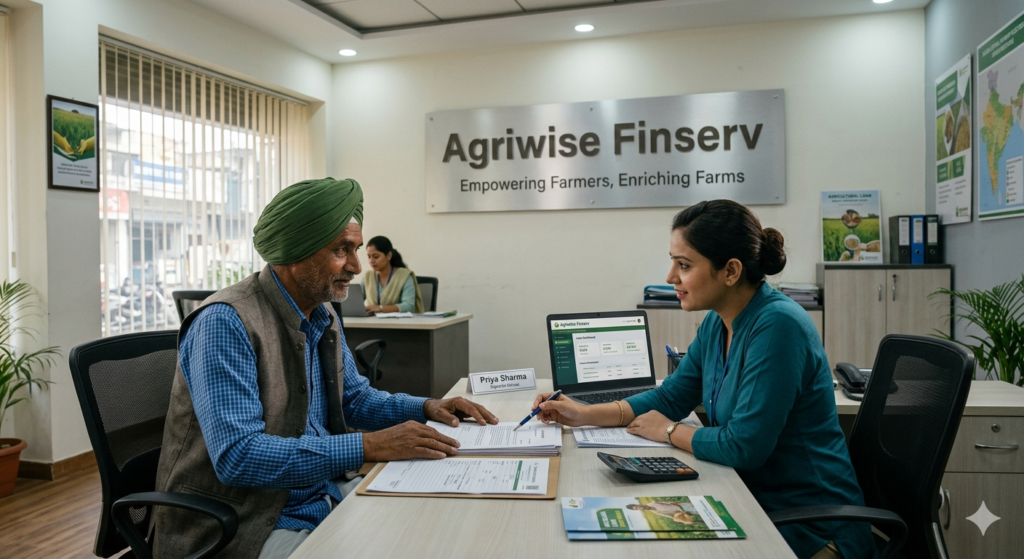
Agriwise helps farmers choose the right finance options

At Agriwise, we advise farmers and agri-enterprises on finding the right finance options for each stage of their farming cycle. Our services include:

  • Assessment of cash flow and funding needs to match LAP, WRF, invoice finance or solar loan structures.
  • Assistance with documentary requirements, warehouse/receipt linking, and subsidy layering for solar projects.
  • Facilitation of partnerships with banks and NBFCs for competitive rates and quick disbursements.

We combine field-level understanding with lender network access so farmers and FPOs can deploy capital faster and more safely.

Conclusion

“Best” depends on the purpose: short-term liquidity is best addressed with WRF or invoice finance, while infrastructure and high-ticket investments often require LAP. Solar loans are increasingly strategic — they lower recurring costs and may open new revenue lines. Given rising institutional disbursement and improved product diversity in 2025, farmers have more finance options than before — choosing the right one starts with defining the objective, tenure and acceptable collateral.

FAQs:

  • What are the most useful finance options available to farmers in 2025?
    The top finance options include Loan Against Property (LAP), Warehouse Receipt Financing (WRF), Invoice Financing, and Solar Loans—each serving different capital needs.
  • How does Warehouse Receipt Financing help farmers?
    WRF allows farmers to store their produce in accredited warehouses and borrow against it, helping them avoid distress sales and wait for better market prices.
  • When should a farmer choose a Loan Against Property (LAP)?
    LAP is ideal for high-value, long-term investments such as land development, machinery purchase, or building agri infrastructure.
  • Is invoice financing suitable for small farmers?
    Yes, especially for those supplying to processors, FPOs or agri companies. It offers quick liquidity without needing land as collateral.
  • Why are solar loans becoming popular for farmers?
    Solar loans reduce energy costs, improve irrigation reliability, and can generate additional income through surplus power sales.
  • How does Agriwise help farmers with financing?
    Agriwise guides farmers in selecting the right finance option, supports documentation, and connects them with lending partners for fast approvals.

Agri-fintech 2.0: How technology is redefining access to finance for India’s agri value chain

November 12, 2025

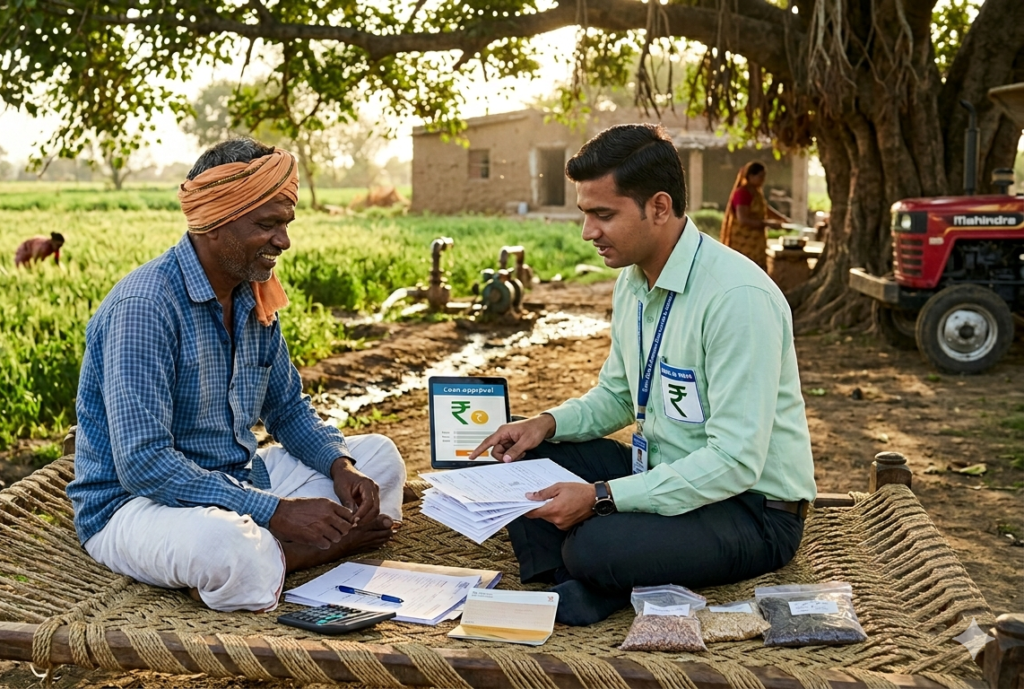
In Indian agriculture, agri FinTech is emerging as a transformative force, reshaping the way farmers and value-chain stakeholders access finance, manage risk, and scale operations. With increasing digitization, the entry of digital agri loans, and the rise of AI in agri finance, the sector is on the cusp of a new era: Agri-fintech 2.0. At Agriwise Finserv, our commitment to enabling this change through tailored agriwise loans and embedded finance solutions is more than a business priority—it is a strategic imperative for India’s food security and inclusive growth.

The urgency: A credit gap in India’s agriculture

India’s agriculture sector is the backbone of the economy, yet access to institutional credit remains limited. Only around 30% of farmers are reported to access formal financial services, leaving a significant 70% underserved. Meanwhile, credit flow from mainstream institutions, referred to as Ground-Level Credit (GLC), has increased, rising from ₹8.45 lakh crore in FY15 to ₹25.49 lakh crore in FY24. These figures illustrate the gap that agri fintech in India is designed to close.

Traditional lenders face multiple barriers, including a lack of detailed farm-level data, informal supply chains, high transaction costs, and land-title challenges. But as digital adoption increases, agri lending platforms in 2025 are turning these challenges into opportunities.

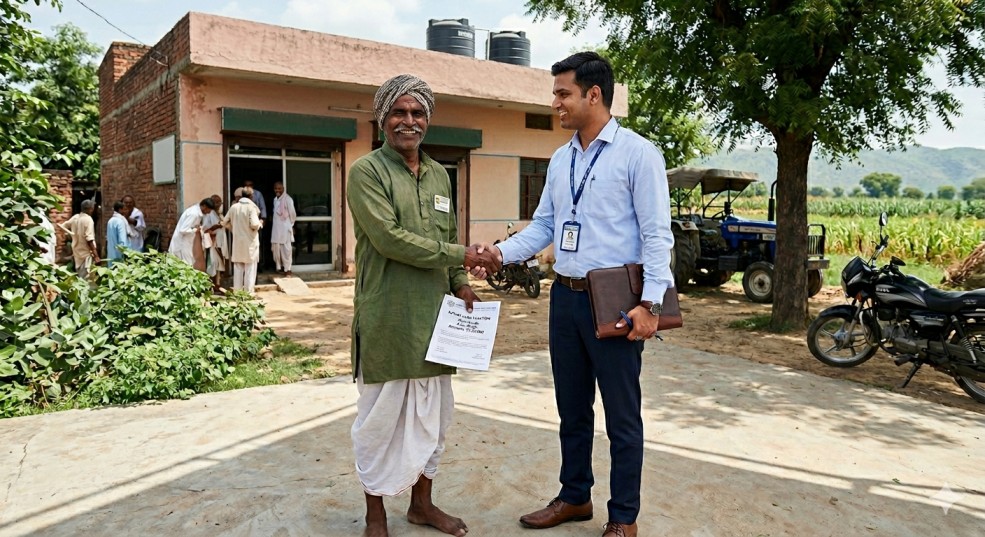
agri fintech

What does agri fintech 2.0 look like?

The shift to agri fintech 2.0 is characterised by deeper digital integration across the agri value-chain:

  • Digitized credit underwriting: Platforms are now utilising remote sensing, geo-tagging of farmland, crop history, and supply-chain data to build borrower profiles and extend digital agri loans more efficiently.
  • AI in agri finance: AI-powered scoring engines enable faster loan approvals by automating income estimation, document verification, and risk profiling for assessing the loan proposals.
  • Embedded finance in value chain: Loans and working capital are no longer standalone but embedded into procurement, warehousing and trade flows—ensuring that agri lending platforms 2025 can offer tailored, context-aware financing.
  • Digital public infrastructure (DPI) & data stack: Schemes such as the Digital Agriculture Mission support farm registries, crop-sown registries, and digital mapping, forming the backbone for innovative credit systems.

Impact on the agri value-chain

The benefits of this transformation ripple across the agri value-chain:

  • Improved reach and inclusion: With digital onboarding and AI-driven assessment, small and marginal farmers gain access to formal credit instruments, where they were previously locked into high-cost informal finance.
  • Lower transaction cost, better risk management: Through data-driven underwriting, platforms can lower default risk and reduce the cost of service, making smaller ticket loans viable.
  • Faster credit cycles tied to crops: Instead of waiting for monsoon or harvest, farmers can access working capital or input-financing aligned with crop stages, improving productivity and timely input usage.
  • Market linkages and value realisation: When finance is tied to transactions (procurement, warehousing, sale), the farmer’s income and cash-flow improve, supported by technologies embedded in agri fintech models.
  • For agribusinesses and downstream players: Better financial access means smoother procurement, reduced risk of delayed payments, and stronger supply-chain reliability.

Role of Agriwise Finserv in this ecosystem

At Agriwise, we understand the nuanced requirements of agri-business—whether in procurement, warehousing, export trade or input supply. Our Agriwise loans are built on three pillars:

  • Tailored underwriting: Leveraging alternative data (farm history, warehouse receipts, geospatial insights) to deliver credit even for non-traditional borrowers.
  • Embedded finance: Financing solutions integrated with supply-chain partners, enabling our clients and their farmer-vendors to transact seamlessly.
  • Technology-enablement: Use of digital platforms to minimise paperwork, speed disbursement, and monitor utilisation for making finances work in real time for farming cycles.
  • Tech-based monitoring tools are being integrated to predict potential delinquencies, assess commodity price volatility, and trigger early warning alerts to safeguard portfolio quality.

Outlook & key trends for 2025 and beyond

The outlook for agri fintech in India is optimistic and rapidly evolving:

  • The agritech-fintech ecosystem is expected to witness strong growth, underpinned by increasing smartphone and internet penetration in rural India.
  • With formal agricultural credit projected to exceed ₹31.5 lakh crore by FY26, the space for digital agri loans and tech-enabled credit is growing significantly.
  • Adoption of AI, remote-sensing and blockchain in supply-chain finance will drive new models of agri lending platforms 2025, where financing flows are dynamically priced, risk-adjusted and tightly integrated into farm ecosystems.
  • The convergence of agri-fintech with climate-resilient agriculture, ESG-driven capital flows and green finance will open additional channels for farmers and agribusinesses to access credit and insurance.

Conclusion

The era of Agri-Fintech 2.0 is not a distant vision—it is unfolding now. For India’s agrarian economy, the opportunity to democratise access to finance, reduce dependence on high-cost informal credit, and unlock the full potential of the agri value-chain is immense. Through technologies like AI in agri finance, digital agri loans and embedded finance models, agri fintech is redefining how money flows in agriculture.

At Agriwise, our Agriwise loans serve as a bridge linking farmers, agribusinesses and financial institutions in a smarter, faster and more equitable ecosystem. As we move into 2025 and beyond, the promise is clear: inclusive credit, resilient value chains and sustainable growth, enabled by agri fintech in India. Investing in this future today means more than financing—it means building prosperity, securing livelihoods and transforming agriculture for generations to come.

Disclaimer

The content published on this blog is provided solely for informational and educational purposes and is not intended as professional or legal advice. While we strive to ensure the accuracy and reliability of the information presented, Agriwise make no representations or warranties of any kind, express or implied, about the completeness, accuracy, suitability, or availability with respect to the blog content or the information, products, services, or related graphics contained in the blog for any purpose. Any reliance you place on such information is therefore strictly at your own risk. Readers are encouraged to consult qualified agricultural experts, agronomists, or relevant professionals before making any decisions based on the information provided herein. Agriwise, its authors, contributors, and affiliates shall not be held liable for any loss or damage, including without limitation, indirect or consequential loss or damage, or any loss or damage whatsoever arising from reliance on information contained in this blog. Through this blog, you may be able to link to other websites that are not under the control of Agriwise. We have no control over the nature, content, and availability of those sites and inclusion of any links does not necessarily imply a recommendation or endorsement of the views expressed within them. We reserve the right to modify, update, or remove blog content at any time without prior notice.