All posts by wise

What are the future trends in Indian agribusiness & MSME finance?

June 11, 2025

As India marches toward becoming a $5 trillion economy, MSME finance and agribusiness continue to drive inclusive and sustainable growth. With nearly 63 million micro, small and medium enterprises (MSMEs) contributing around 30% to India’s GDP, and agriculture employing over 50% of the workforce, both sectors demand innovative, tech-led financial solutions.

Agricultural credit in India is projected to exceed ₹31.5 lakh crore in FY26, driven by increased formalisation of rural credit—signalling a shift toward more structured, data-backed, and accessible financial systems.
Let’s explore the key agribusiness trends and the evolving landscape of MSME credit solutions shaping India’s economic future.

MSME finance

1. Rise of Digital Lending Platforms

One of the most defining developments in MSME finance is the rapid growth of digital lending. Startups and NBFCs are using alternative credit scoring methods—such as transaction data, utility payments, and GST returns—to extend loans to borrowers who were traditionally excluded from the formal financial system.
This evolution is crucial as millions of businesses lack formal credit histories. Fintech for MSMEs has emerged as a lifeline, especially post-pandemic, offering fast, collateral-free access to capital—reducing dependency on unorganised lenders and improving financial inclusion across rural India.

2. Co-Lending Models: Banks + NBFCs = Wider Reach

To bridge the significant credit gap, co-lending partnerships between banks and NBFCs have gained momentum. Banks offer a lower cost of capital, while NBFCs provide last-mile reach. This hybrid approach is enabling faster and more effective disbursement of MSME loans in 2025, particularly to underserved areas.
In fact, NBFCs have become key contributors to MSME finance in India, outperforming banks in disbursement volumes in the last fiscal year. This collaboration also fosters tailored credit offerings, better suited to the real-time needs of small businesses and agri-entrepreneurs.

3. Government-Led MSME Finance Solutions

The government’s focus on MSMEs has intensified through schemes such as the CGTMSE (Credit Guarantee Fund Trust for Micro and Small Enterprises). As of late 2024, CGTMSE had facilitated over ₹5.2 lakh crore in guarantees. The recent budget also announced the introduction of MSME credit cards, offering working capital limits of up to ₹10 lakh under automatic guarantee coverage.
These initiatives are expected to enhance the accessibility of MSME loans in 2025, especially for first-generation entrepreneurs, women-led enterprises, and rural agri-based MSMEs—boosting job creation and economic resilience.

agricultural finance in india


4. Green Finance: A Sustainable Future for Agribusiness

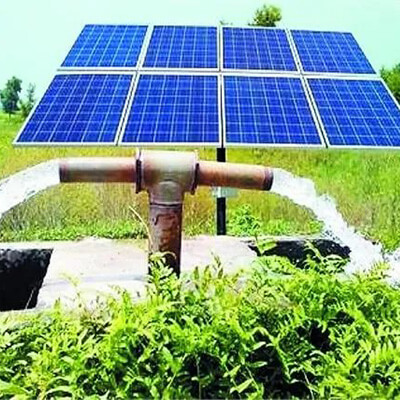
As sustainability gains priority across industries, MSME finance is also adapting. Financial institutions are offering incentives for eco-friendly initiatives—such as solar-powered agri equipment, organic farming, and energy-efficient food processing units.
This alignment with ESG (Environmental, Social, and Governance) goals is a key future trend in agri finance, helping agribusinesses reduce carbon footprints and qualify for better financing terms. Dedicated schemes, such as RAMP and green funds, are expected to drive this transition forward in 2025 and beyond.

5. Embedded Finance and Supply Chain Digitisation

With more MSMEs and agri-enterprises going digital, embedded finance—offering financial services directly within non-financial platforms—is transforming the way loans and payments are accessed. Businesses using marketplaces, ERP systems, or mobile apps can now access MSME credit solutions without leaving their digital ecosystems.
Simultaneously, digital supply chain finance is growing, supporting vendors, distributors, and processors with faster payments, credit lines, and invoice discounting. This is a critical development for agribusinesses relying on seasonal liquidity and fluctuating input costs.

6. AI-Powered Lending & Risk Assessment

The integration of AI and analytics in credit evaluation is redefining MSME finance. By utilising satellite imagery, crop monitoring data, and transaction analytics, lenders can more accurately assess risks and process loans more efficiently. This is particularly impactful in agri-finance, where traditional underwriting methods often fall short.
This data-driven approach ensures that borrowers with viable but informal operations are not left out. It also boosts credit discipline and helps institutions maintain portfolio health while serving new-to-credit segments.

agri tech india

7. Supportive RBI Policies & Rate Cuts

In June 2025, the Reserve Bank of India reduced the repo rate and cash reserve ratio, aiming to boost liquidity in the banking system. These changes are expected to make MSME loans in 2025 more affordable and accessible.
With MSMEs accounting for just 16% of formal credit but over a quarter of GDP, such measures are essential to balance risk and support expansion, especially in agri-linked businesses that face seasonal cash flow cycles.

The Road to MSME Finance: Empowering India’s Growth Engines

The future of MSME finance in India is poised for greater inclusion, efficiency, and resilience. Here’s a snapshot of the key agribusiness trends and financing shifts:

  • Digital lending to expand credit access and formalise small businesses 
  • Co-lending models for deeper credit penetration in underserved markets 
  • Green and ESG-aligned loans to support sustainable agribusiness growth 
  • Embedded finance and supply chain tools for seamless MSME funding 
  • AI-powered crop and enterprise finance for smarter credit risk evaluation 
  • Policy push and credit guarantee schemes for risk mitigation and affordability

With evolving borrower needs and a supportive policy environment, these trends will drive the next wave of growth in both agribusiness and MSMEs.

indian farmer

Agriwise: Enabling the Future of Agri and MSME Finance

At Agriwise, we are proud to be part of India’s evolving MSME finance journey. Our offerings are designed to empower farmers, traders, and agri-based businesses with timely, transparent, and tech-driven credit access.

  • Through our warehouse receipt financing, we help farmers turn stored produce into instant working capital, eliminating distress sales and enabling smarter price realisation. 
  • We combine field-level insights with data analytics and fintech tools to offer tailored credit assessments—redefining MSME credit solutions for the agri sector. 
  • Our growing network of bank partnerships and co-lending arrangements makes MSME loans in 2025 more accessible and flexible. 
  • Agriwise is also committed to sustainability, financial literacy, and empowering women and first-generation agri-entrepreneurs with responsible access to credit.

As the future of agri finance becomes smarter and more inclusive, Agriwise remains committed to enabling India’s farmers and MSMEs with the financial tools they need to succeed.


How to apply for a Warehouse Receipt loan at Agriwise: A step-by-step guide

June 05, 2025

A warehouse receipt loan can be a lifeline for farmers, traders, and processors who need liquidity without having to sell their produce at suboptimal prices. Agriwise Finserv, a trusted name in agri-focused lending, offers this facility as part of its commodity finance portfolio, providing short-term working capital against the value of agricultural stock stored in approved warehouses.

India’s agricultural credit target has been set at ₹20 lakh crore for FY 2024–25, and the emphasis on inclusive rural finance is growing; understanding how to apply for a loan against warehouse receipt is more relevant than ever.
But how to apply for one? Here’s a step-by-step guide to navigating the process of applying for a warehouse receipt loan at Agriwise.

warehouse receipt loan

Step 1: Customer Walk-in or Lead Generation

The journey begins with the customer—whether a farmer, commodity trader, or processor—approaching Agriwise through its branch office, field location, or sales team. During this initial interaction, the Agriwise team shares key details about the agri loan product, including loan tenure, interest rates, eligibility, and repayment options. This conversation helps establish clarity and sets expectations, ensuring the applicant is well-informed before moving forward.

Step 2: Lead Creation in Loan Origination System (LOS)

Once the customer agrees to proceed, their details are digitally entered into Agriwise’s Loan Origination System (LOS). This step includes capturing:

  • KYC documents
  • Financial and business background
  • Details of the agricultural commodities to be pledged

Using LOS ensures a systematic and efficient onboarding process, reducing delays and paperwork.

WHR finance

Step 3: Credit Appraisal

Agriwise then conducts a thorough credit appraisal. A credit bureau check is performed to assess the borrower’s credit history, followed by an internal evaluation against Agriwise’s credit policy. Parameters like repayment behaviour, past borrowing records, and current eligibility are taken into account.

This step ensures that credit is extended responsibly, ensuring the security of both the borrower’s and lender’s interests.

Step 4: Case Sanction and Documentation

Once the application passes the credit check, the case is sanctioned. The borrower is then required to complete the documentation process, which includes signing the loan agreement and other pledge-related papers. Agriwise ensures that all documentation is transparent, giving the borrower complete visibility into the terms and conditions.

Step 5: Commodity Pledge and Warehouse Receipt Generation

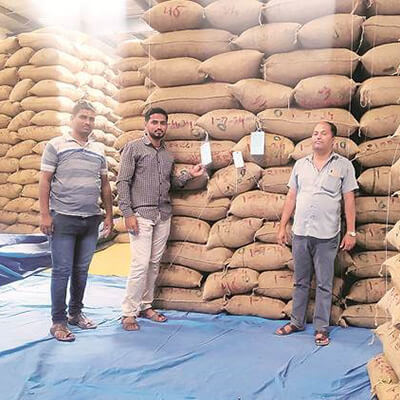
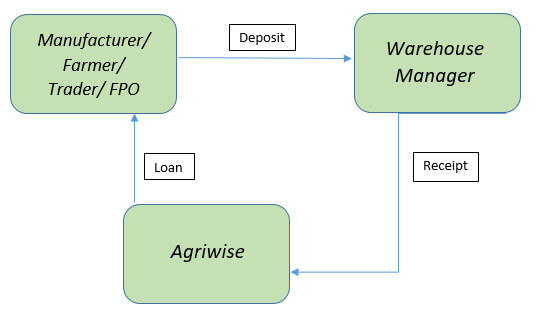
The borrower deposits the agricultural commodities at an Agriwise-approved warehouse. A designated Collateral Manager (CM) checks the quality and quantity of the stock. Once satisfied, the CM issues a warehouse receipt in favour of Agriwise and forwards it to the credit operations team.

This warehouse receipt is the basis for the loan and reflects the value of the pledged commodity, making it the cornerstone of the loan against warehouse receipt process.

Step 6: Disbursement of Funds

Agriwise disburses funds to the borrower based on the value of the warehouse receipt. Generally, loans are offered up to 75% of the WR value, which is known as the Loan-to-Value (LTV) ratio.

This quick access to funds allows borrowers to manage their short-term working capital needs efficiently, be it to finance the next crop cycle, pay labour, or meet operational expenses—without the pressure to sell produce immediately.

agri finance

Step 7: Repayment and Collection

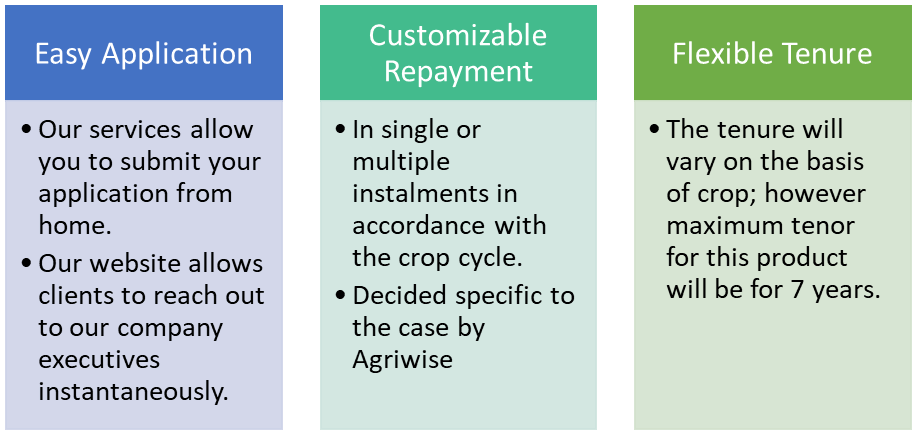
Repayment terms are flexible:

  • For farmers: Both interest and principal are repaid at the end of the loan term.
  • For traders and processors: Interest is payable monthly, and the principal is repaid at maturity.

Importantly, Agriwise does not levy foreclosure or part release charges. This flexibility gives borrowers the freedom to repay as per their cash flow, especially in times of market volatility.

Why Warehouse Receipt Loans Matter?

With only about 30% of India’s small and marginal farmers having access to formal credit, innovative solutions like warehouse receipt loans are crucial. They allow borrowers to realise better value for their produce by avoiding distress sales, while also ensuring that the agricultural supply chain continues to function smoothly.

These loans are particularly powerful because they are asset-backed, low-risk for the lender, and timely for the borrower—fitting perfectly into the broader ecosystem of commodity finance.

Conclusion

Agriwise’s approach to warehouse receipt loans combines the assurance of physical collateral with a fast, transparent lending process. Whether you’re a farmer waiting for better prices or a trader looking for liquidity, a loan against warehouse receipt can offer the breathing space you need—without compromising the value of your produce.

By turning stored crops into working capital, Agriwise continues to play a key role in strengthening India’s rural economy, one loan at a time.

What every farmer should know about crop insurance in India

May 21, 2025

India’s agriculture sector, a backbone of the country’s economy with almost 18% GDP contribution, remains highly vulnerable to climate risks such as droughts, floods, unseasonal rainfall, and pest infestations. To safeguard livelihoods, crop insurance in India plays a critical role in minimising financial risks and helping farmers recover from crop loss.

India’s crop insurance market is projected to witness a CAGR of 7.62% during the forecast period FY2025-FY2032, growing from USD 4.56 billion in FY2024 to USD 8.21 billion in FY2032.

crop insurance

What is Crop Insurance?

Crop insurance is a financial safety net that compensates farmers for crop losses due to unforeseen events like natural disasters, pests, or diseases. It reduces income uncertainty, stabilises farm income, and encourages investments in better farming practices. Understanding how crop insurance works is key to long-term sustainability for any farmer. There are multiple agriculture insurance schemes in India, both government-sponsored and private:

  • Government-backed schemes are widely accessible and subsidised. The Pradhan Mantri Fasal Bima Yojana (PMFBY) remains the flagship initiative, offering coverage from pre-sowing to post-harvest stages.
  • Weather-Based Crop Insurance Scheme (WBCIS) insures against adverse weather patterns like temperature or rainfall deviations.
  • Licensed insurers offer private crop insurance for high-value or non-notified crops.

Each scheme offers different levels of protection, and farmers should evaluate which suits their crop, region, and risk exposure best to identify the best crop insurance scheme. To benefit from these schemes, farmers must meet certain crop insurance eligibility criteria:

  • They should be land-owning cultivators, sharecroppers, or tenant farmers.
  • Registration must be completed within the stipulated enrollment period.
  • Aadhaar-linked bank accounts and relevant land records are required for claim disbursement.

How to Apply for Crop Insurance?

Farmers can learn how to apply for crop insurance through multiple channels:

  • Government platforms like the PMFBY portal
  • Common Service Centres (CSCs)
  • Local agriculture offices and banks
  • Mobile apps and direct insurer tie-ups

Timely enrollment is critical, especially during the sowing window.

PMFBY Scheme 2025: What’s New?

As of the PMFBY scheme 2025, improvements have been introduced to increase efficiency:

  • Use of remote sensing, drones, and mobile apps for faster claim assessment.
  • Voluntary participation with greater customisation.
  • Direct transfer of claims to farmer accounts.
    These upgrades aim to enhance the PMFBY application process and reduce delays, making it a model crop insurance for farmers.

What are the benefits of this scheme?

  • Affordable premium rates (as low as 1.5% to 5%)
  • Comprehensive coverage for a wide range of crops
  • Transparent and technology-enabled claim processing
    This scheme continues to be a lifeline for millions of farmers nationwide.

How is Agriwise enhancing farmer resilience?

Beyond insurance, farmers often need flexible financing to manage inputs, harvest costs, or expansion. Agriwise supports this journey with a range of credit solutions tailored to the agricultural ecosystem:

  • Farmer Financing: Offers working capital and input loans to purchase seeds, fertilisers, and pesticides.
  • Warehouse Receipt Finance: Enables farmers to secure short-term loans by pledging stored produce.
  • Secured Business Loans (LAP): Loans from ₹5 lakhs to ₹5 crores for agribusiness growth against residential or commercial property.
  • Invoice Bill Discounting: Converts invoices into immediate cash flow, ideal for agri supply chains.
  • Solar Financing: Affordable credit for adopting solar energy in farms or agro-units.

Agriwise combines tradition with fintech innovation to make agri-credit simpler, faster, and more inclusive—supporting farmers beyond just insurance.

Conclusion

Navigating agricultural risks is a part of every farmer’s journey, making crop insurance in India a vital tool for financial protection. While schemes like PMFBY help mitigate losses due to natural calamities, sustainable farming also depends on timely credit and access to financial planning.

This is where institutions like Agriwise play a crucial role. By offering need-based financing tailored to the agricultural sector, Agriwise empowers farmers to make confident decisions—from sowing to selling. With a strong focus on technology, transparency, and deep agricultural understanding, it supports farmers beyond just credit—promoting growth, stability, and resilience.

As farming continues to evolve in 2025, it’s essential for farmers to stay informed not only about crop insurance eligibility in India and the PMFBY application process, but also about financial tools that can complement insurance. Together, these resources enable farmers to manage risk effectively and invest in a more secure future.

NBFCs over Banks

NBFCs over Banks

September 15, 2022

NBFCs refer to entities that are not banks but provide services such as lending and other activities without holding a banking license. One of the main reasons why people choose NBFCs over banks is due to lower costs. Since the need for finance in the farming community is on the rise, banks alone cannot cater to the increasing demand, so NBFCs provide finance to both the public and private sectors.

Entities such as banks consider a strong credit score an advantage while providing a loan and can be stringent regarding the documents’ approval.

Hence, most people turn towards NBFCs for business loans because of less documentation and competitive interest rates.

Let’s further look at the advantages of NBFCs over banks:

  • NBFCs provide end-to-end solutions with an easy application process and instant approvals making the loan process faster than banks.
  • NBFCs base interest rates are not regulated by the RBI. Therefore, have greater flexibility and offers competitive interest rates.
  • NBFCs such as Agriwise provide exceptional customer service and require minimum documentation along with relatively lenient eligibility criteria compared to traditional banks, leading to quick disbursal of funds.

While computing the loan amount over the collateral property during calculation, NBFCs consider statutory changes like stamp duty, etc. Further, loan repayment is easier than banks owing to no penalty clauses.

With offerings that prioritize customers and provide hassle-free and digitized loan processes, the farming community prefers NBFCs over banks.

References:

Agri Equipment Finance

Agri Equipment Finance

September 07, 2022

Agri Equipment Finance is a loan given to obtain business equipment that includes any tangible asset such as: farm equipment (except real estate) that would help borrowers boost farm produce, not having to worry about loan security. It simply refers to a collateralized loan allowing farmers to purchase equipment, and once the loan is repaid, the borrower becomes the owner of that equipment. At Agriwise, we offer these products to our clients who want to purchase small farm equipment for their farms and require financing to do the same.

Features and Benefits of Equipment Finance:

Agri Equipment Finance

References:

Agri Term Loan

Agri Term Loan

July 22, 2022

Agricultural loans are availed by a farmer to fund seasonal agricultural operations or related activities like animal farming, purchase of land or agricultural tools; A form of credit that can be secured as a personal loan by the borrower. Agriwise provides these Agri loans to farmers with commercial or residential properties as collateral and the tenure lasts up to 8 years. It is a Secured term loan with the primary purpose of business development and expansion. However, this loan can also be taken for the purpose of educating a child, marriage or any other personal reasons. The rate of interest on the loan is determined keeping several factors in mind such as loan amount, tenure, credit score, income, existing EMIs etc.

The benefits of this product offering include:

  • Financial assistance for Land development & reclamation, Soil conservation measures and on farm development works like Land levelling, terracing, contouring, bundling, fencing etc.
  • Term Loans are extended for construction of wells, for deepening/renovating the existing wells and for boring in the existing dug wells to augment water supply.
  • Financing for purchase of machinery/implements like Tractors, Power Tillers, seed drill, seed-cum-fertilizer drill, planters, power sprayers, seed cleaners, weed removers, power threshers, chaff cutters, cane crushers, harvester combines etc.
  • Term loans for cultivation of Coconut, Coffee, Tea and Rubber plantations, Floriculture, Vegetable and Fruit cultivation etc.
  • Credit facilities extended for activities related to dairy, cotton etc.

References:

Warehouse Receipt Finance

Warehouse Receipt Finance

July 11, 2022

Warehouse Receipt Finance is a process where a financer provides credit to a seller against the security of goods stored in the warehouse. It includes the assurance of the commodity’s quality and quantity within an approved facility. While simple in concept, a warehouse-receipt system requires the availability of safe warehouses and widely accepted commodity grades and standards. Further, it is primarily limited to non-perishable goods with relatively predictable price developments. This product offering by Agriwise has proved to be a boon for several farmers.

Our group company, StarAgri, provides warehouses for our borrowers to store commodities. The warehouse receipts can then be used as collateral to avail loans by the depositors. Warehouse Receipt is an instrument used by the clients like farmers, processors, traders and others to secure short-term finance from NBFCs such as Agriwise. They can now use the warehouse receipt as collateral to avail of credit from Agriwise. The company will provide credit as a loan up to a specific percentage of the value of commodities stored in approved warehouses.

This product offering by Agriwise has several benefits:

  • -Borrowers can get short-term working capital loans up to INR 5 crores against the pledge of agri-commodities. All types of food grains, pulses, cereals and oilseeds are covered. The rate of interest is low on such funds.
  • -Warehouse receipts allow small farmers to delay the sale of goods, taking advantage of sizeable seasonal price swings for produce while obtaining cash when the harvest begins, which results in higher profitability for the farmers.
  • -Another benefit to the small farmers is the transparency of produce prices as we provide them with up-to-date information on prices throughout the season. They can become “price setters” rather than “price takers.”
  • -Farmers can realize savings by “buying back” their produce from the warehouse for home consumption during the lean season when food prices are high.

The above benefits make Agriwise’s Warehouse Receipt Finance an attractive option for farmers.

References:

Warehouse Receipt Finance

Tech Based Aid for Farmers in India

Tech Based Aid for Farmers in India

June 23, 2022

Agriculture is the backbone of the Indian economy and therefore the problems faced by this industry have been crucial topics of discussion. The uncertain nature of this industry results from a number of reasons including:

  • Poor infrastructure & farming techniques, low use of farm technologies etc,
    ultimately resulting in low productivity. Consequently, the emergence of digital agriculture- a term used to refer to the use of digital technologies in managing the business of agriculture- is proving to be a boon for farmers today.

Some of these initiatives in India include:

  • The initiation of the Digital Agriculture Mission 2021–2025, by the Union Minister of Agriculture & Farmers Welfare, which aims to support and accelerate projects based on new technologies, like AI, block chain, remote sensing and GIS technology and use of drones and robots.
  • Sites such as eNam- National Agriculture Market, DBT- Direct Benefit Transfer Central Agri Portal, eChoupal-kiosks located in villages for access to the internet, have been developed to promote the use of technology among farmers.
  • AgriStack – a collection of technology-based interventions in agriculture, United Farmer Service Platfrom (UFSP), Esagu and Agrisnet are among some of the other famous platforms based on e-technology.
  • Further, the Jio Krishi Platform launched in February 2020 helps digitise the agricultural ecosystem along the entire value chain to empower farmers; The platform uses stand-alone application data to provide advisory, the advanced functions use data from various sources, feed the data into AI/ML algorithms and provide accurate personalised advice.

As a company committed to combine traditional agri knowledge with transparent credit and tech-driven insights to help farmers, with a similar goal of adding value along the entire value chain, Agriwise’s new platform, Fininza (fininza.in/) utilises some of these newer technological advancements. The platform works to smoothen the lending process and provide access to all loan details under one roof.

“Technology can make farmers’ lives easier, predictable and profitable, and increase food production”, said Ram Kaundinya, director general, Federation of Seed Industry of India (FSII). Today, the world is witnessing technological advancements at a rate faster than ever. Big data, Artificial intelligence, Deep learning etc are some of the tools that can be utilise to the advantage of farmers and pave way for economic prosperity in the country as a whole.

References:

Innovations in Agri-Credit Systems

Innovations in Agri-Credit Systems

June 20, 2022

The Indian Agri-credit system has made commendable progress with the enforcement of some major policy changes over the years. Credit supply is one of the most integral determinants of investments in agriculture due to the degree of uncontrolled production and price risk that can influence the industry which makes the progress of Agri-credit systems more crucial than ever.

Policy changes have helped strengthen such progress; A number of innovative methods like the Kisan Credit Card Scheme, SHG bank linkage groups, JLGs and FPOs had been promoted for financial inclusion under institutional structure of which all saw great success other than the formerly mentioned KCC.

Further, this problem of farmer’s access to credit is being resolved by the leap from Agritech to Agri-fintech. Even though technology cannot resolve the root issue in its entirety, its implementation is creating a space that facilitates solving issues pertaining to data, digitalisation etc. Data has proven to be a boon which helps NBFCs check the Farmer’s identity, credit records and facilitates the process of determining interest rates and providing the loan. Some of these data points also constitute the foundation layer of Agristack, as proposed by recently released IDEA (Indian Digital Ecosystem for Agriculture) framework by Government of India3. Further, digitalisation has enabled companies to capture crop health, soil health, quality of produce- all of which are important determinants in assessing the creditworthiness for Agri loans and for enabling the process of underwriting among lending institutions.

Similarly, since the late 1990s, organisations have developed innovative approaches to financing agriculture including microfinance concepts, used good banking products drawing on knowledge of agriculture to enter and succeed in this market. No single approach works for all situations but a combination of many of these approaches have shown great promise. Some other innovations in agricultural credit markets include the warehouse receipt financing, value chain financing, leasing, contract farming and producer companies.

At Agriwise, we are more than just a provider of Agri finance. We understand Agri and allied businesses, their challenges and opportunities. We know Agri customers require not just finance, but also knowledge and expertise to grow. Agriwise has adapted to these innovations over the years by strengthening our product offerings which include:

  • Agri Term Loans
  • Warehouse Received Finance
  • Supply Chain/ Invoice Finance
  • Equipment and Input Finance
  • Working Capital Facility.

We combine traditional Agri knowledge with transparent credit and tech-driven insights to help farmers and Agri & allied businesses to reimagine the future.


A number of Agritechs today have demonstrated that lending to farmers/ FPOs is doable at scale with the integration of smart data intervention, market linkages, partnerships and phygital approach. Agri-credit systems are critical and an effective means for the development of rural India. Consequently, innovations in the agricultural credit market have gained importance over the years. Future innovations and reforms should be designed in a manner that would further help resolve challenges faced in the Agri Finance sector and facilitate the process of lending loans.

References:

Rajasthan Government implements reform norms for the PM Kusum Yojana to boost solar energy

Rajasthan Government implements reform norms for the PM Kusum Yojana to boost solar energy

June 15, 2022

The PM Kusum Yojana was introduced by the central government in 2019. Under this scheme, the central government of India will provide Kusum solar pump sets on a subsidised basis. These solar pumps have two purposes: They help farmers with irrigation and allow them to generate electricity. The government will provide a subsidy of 60% to farmers and 30% of the cost will be given by Government in form of loans. Farmers will only be responsible for 10% of the total cost of the project.

Now, the Rajasthan government launched the Kusum scheme with certain reforms. The Industries Department of Rajasthan said that it would provide subsidies on interest of 30% of cost formerly mentioned- that is the 30% being given in the form of loans. The Rajasthan Renewable Energy Corporation Limited said that the problems being faced by farmers under Kusum Component (which states Addition of 10,000 MW of solar capacity through installation of small solar power plants of capacity up to 2 MW) in the state will be resolved. For this, the Rajasthan Renewable Energy Corporation has started listening to the problems of the farmers.

Under this Kusum Scheme 2022, 17.5 lakh diesel irrigation pumps running in the first phase will be powered by solar energy in order to reduce the consumption of diesel. Irrigation pumps running on solar energy would result in no net loss in the agricultural output. Rajashthan’s Kusum Yojana 2022 will be especially good for those farmers where the state is drought-prone and there exists a problem of electricity. Under the Rajasthan Kusum Yojana, about 10 lakh diesel and petrol powered irrigation motors will be replaced.

Reasons for implementing reforms and promoting the scheme:

  • Day time reliable power for irrigation for farmers.
  • De-Dieselization by Replacing Diesel Pumps with Solar Pumps, Promoting renewable energy in light of the 2015 Paris Climate Agreement.
  • Enhancing Farmers Income under component C: selling surplus energy to DISCOMS at a pre-determined rate.
  • Curbing Climate Change
  • Boosting Domestic Solar Manufacturing
  • Reducing the Import Bill, considering India’s petroleum import bill is large and on the rise. Another incentive to be self-reliant.

Source: