


Agriculture is a business of timing. A farmer needs funds before sowing, a trader requires capital during procurement, and a processor may have to wait weeks or months before receiving payment for finished goods. Although these activities happen at different stages of the agricultural value chain, they share one common requirement: consistent cash flow.
Unlike businesses with relatively predictable monthly revenues, agri-businesses operate around seasonal demand, harvesting schedules, commodity prices and changing market conditions. Their expenses often arise well before revenue is realised. This creates a gap between money going out and money coming in, making cash flow management an important part of business continuity.
As India’s agricultural economy expands, managing this gap is becoming increasingly important for farmers, traders, processors, Farmer Producer Organisations (FPOs) and agri-MSMEs.
Understanding the agri business cycle
The agri business cycle covers the journey of agricultural commodities from cultivation and procurement to storage, processing and final sale. Each stage has its own financial requirements.
- Pre-harvest: Preparing for the season
The cycle begins well before crops reach the market. Farmers need funds for seeds, fertilisers, irrigation, labour and equipment. Agri-input dealers must maintain adequate inventory, while businesses supplying farm machinery and services need working capital to meet seasonal demand. Most of these expenses are immediate, whereas the revenue generated from agricultural activities may take several months to materialise. This makes pre-harvest financing essential for maintaining operational continuity.
- Harvest and procurement: Managing peak expenditure
Harvest season brings significant business opportunities, but it also increases capital requirements. Traders, aggregators and procurement businesses need funds to purchase commodities in large quantities. Processors must secure raw materials, while warehouse operators prepare for higher inventory volumes. Commodity prices and market arrivals can change rapidly during this period. Businesses with insufficient liquidity may struggle to procure stock at favourable prices or fulfil existing orders.
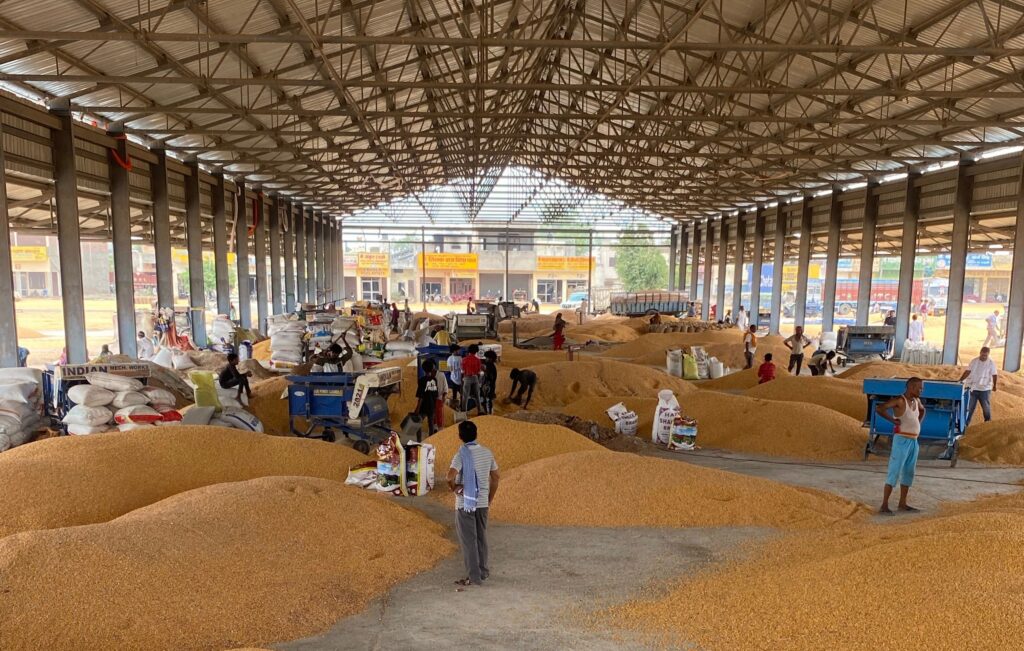
- Post-harvest and storage: Managing capital locked in inventory
Once commodities are procured, businesses may choose to store them rather than sell immediately. This can provide greater flexibility in deciding when to sell, but it also means that capital remains tied up in inventory. Storage expenses, insurance, handling charges and other operational costs continue during this period. Meanwhile, businesses may have to wait for favourable market conditions before releasing their stock.
- Processing and distribution: Bridging payment cycles
For processors and distributors, cash flow challenges often arise from the gap between purchasing raw materials and receiving payments from buyers. A business may pay suppliers upfront, manufacture or process goods, deliver them to customers and then wait for 30–90 days for payment, depending on contractual terms. During this period, salaries, utilities, transportation and other expenses still need to be paid.
Why cash flow challenges persist in agriculture
Several factors make financial planning more complex across the agri-business cycle.
- Seasonal revenue patterns: Income is often concentrated around harvesting and procurement periods, while operating expenses continue throughout the year.
- Delayed receivables: Extended payment cycles can restrict the capital available for fresh procurement and business operations.
- Commodity price fluctuations: Sudden price movements can affect inventory valuations, margins and expected returns.
- Limited access to suitable finance: Conventional lending structures may not always match the short-term and seasonal requirements of agricultural businesses.
- Capital-intensive operations: Warehousing, processing, machinery and infrastructure require substantial investment beyond routine working capital.
The scale of India’s agricultural credit ecosystem highlights the growing importance of structured financial support. According to 2026 updates from NABARD, agricultural ground-level credit disbursement reached approximately ₹30 lakh crore in FY2025–26, against a target of ₹32.5 lakh crore. This represents a significant expansion in institutional credit availability, with growing requirements across crop production, allied activities and agricultural infrastructure. NABARD also extended around ₹4.5 lakh crore in concessional refinance assistance and targeted short-term refinance during the year, supporting continued credit flow to farmers and rural enterprises.

Building better cash flow management strategies
Managing cash flow requires more than borrowing when funds run short. Businesses need to anticipate financial requirements at every stage.
Plan finances around seasonal requirements: Prepare monthly cash flow projections covering procurement, storage, processing and sales. Identify periods when expenditure is likely to exceed collections and arrange funding in advance.
Maintain a balance between inventory and liquidity: Holding stock can create selling opportunities, but excessive inventory can restrict available working capital. Businesses should evaluate storage costs, expected market movements and cash requirements before deciding how much stock to retain.
Improve receivables management: Clear payment terms, regular follow-ups and digital invoicing can help reduce collection delays. Businesses should also assess the creditworthiness of buyers before extending payment periods.
Choose financing according to the requirement: Short-term operational needs and long-term investments require different financial structures. A business purchasing commodities may need working capital, while one expanding its processing infrastructure may benefit from a secured business loan.
The role of structured finance across the agri business cycle
Agricultural finance is gradually moving beyond conventional borrowing towards solutions that consider the nature of business operations.
Warehouse Receipt Finance can help businesses unlock liquidity against eligible commodities stored in recognised warehouses. Instead of immediately selling inventory to generate cash, borrowers can explore funding against their stored produce. Supply Chain Finance and invoice-based financing can help businesses manage receivables and payment delays. Customised Working Capital Loans can address operational funding requirements, while Loan Against Property can support eligible expansion and longer-term business needs.
This is where Agriwise Finserv Ltd, an RBI-registered NBFC, brings specialised financial solutions to the agricultural ecosystem.
Its portfolio includes Warehouse Receipt Finance, Supply Chain Finance, Farmer Finance, Loan Against Property and Customised Working Capital Loans. These offerings cater to different financial requirements across farmers, traders, processors and agriculture-linked MSMEs.
The objective is to connect financing with actual business needs, helping borrowers manage procurement, inventory, receivables and expansion more effectively. The suitability of each facility depends on eligibility, assessment and repayment capacity.
Building Financial Resilience for the Future
The agri business cycle will always involve seasonal fluctuations and changing market dynamics. However, these challenges become easier to manage when businesses combine financial planning, efficient inventory management and appropriate credit facilities.
A well-planned cash flow strategy helps agricultural businesses meet immediate obligations without compromising future opportunities. More importantly, it allows them to focus on growth rather than repeatedly managing liquidity shortages.
FAQs
- What is the agri business cycle?
The agri business cycle covers agricultural activities from pre-harvest planning and cultivation to procurement, storage, processing and final sale. - Why is cash flow management important in agriculture?
It helps businesses manage seasonal expenses, delayed payments, inventory costs and procurement requirements without disrupting daily operations. - What causes cash flow gaps in agri-businesses?
Seasonal revenues, delayed receivables, commodity price fluctuations, and capital locked in inventory are common causes. - How does Warehouse Receipt Finance help agricultural businesses?
It allows eligible borrowers to access funds against commodities stored in recognised warehouses, providing liquidity without requiring an immediate sale. - What financing solutions does Agriwise offer?
Agriwise offers Warehouse Receipt Finance, Supply Chain Finance, Farmer Finance, Loan Against Property and Customised Working Capital Loans.