

Applying for a loan is about more than filling out a form and sharing financial documents. Before a lender decides whether to approve your application, it needs to understand how you have handled credit in the past and whether you are likely to repay the amount borrowed. And this is where your credit score becomes important.
Whether you are planning to expand a business, purchase equipment, invest in agricultural operations or manage a temporary cash-flow gap, your credit history can influence how a lender evaluates your application. Understanding what your score means, what affects it, and how to maintain it can help you approach borrowing with greater confidence.
What is a credit score?
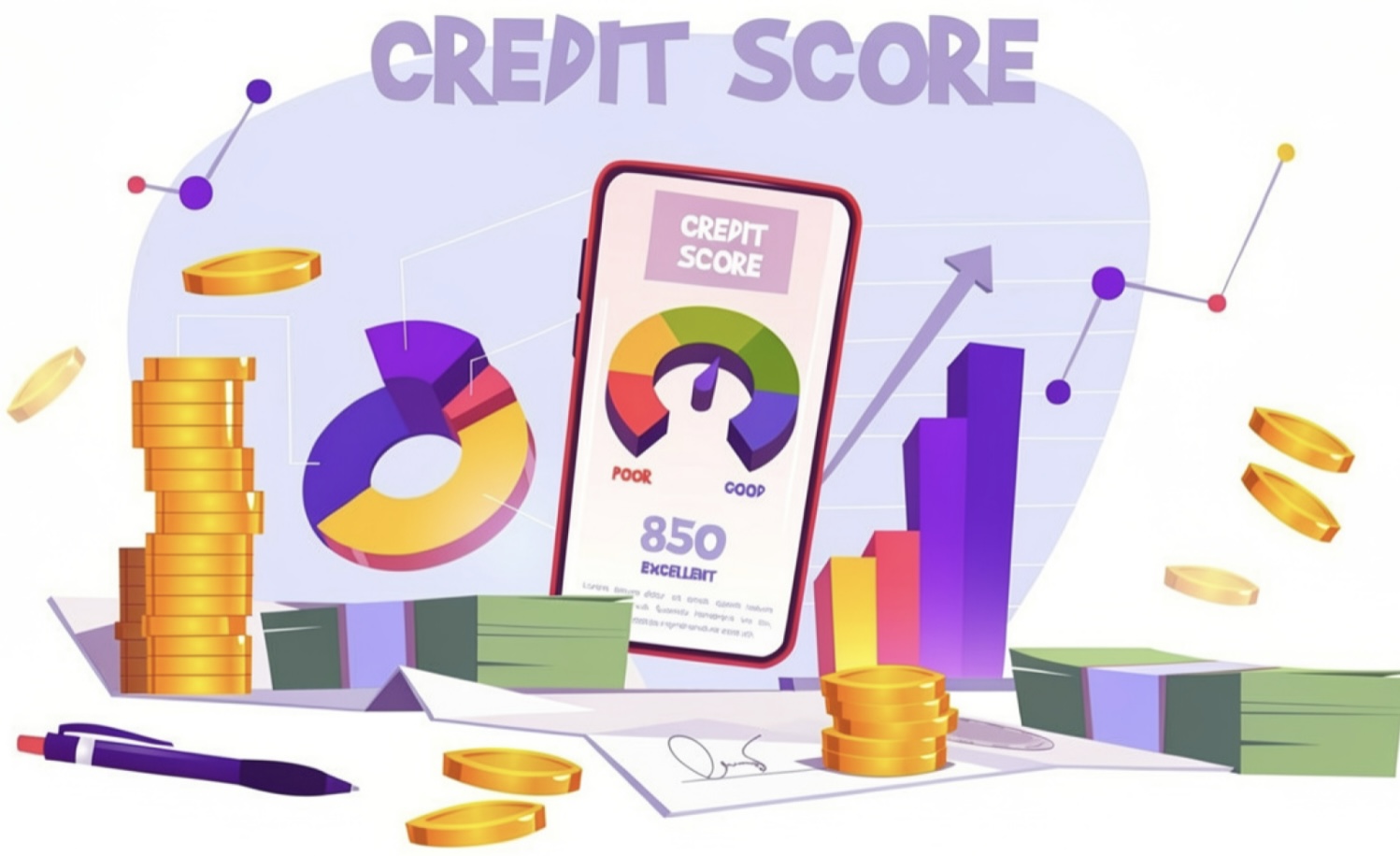
A credit score is a numerical representation of your credit history. It helps lenders assess your past borrowing and repayment behaviour. In India, the CIBIL Score is one of the credit scores used by lenders. It ranges from 300 to 900, with higher scores generally indicating a stronger credit profile. The score is calculated using information in your credit report, including loan accounts, credit card activity, repayment records and credit enquiries. Lenders use this information alongside other details to assess an applicant’s creditworthiness.
According to TransUnion CIBIL’s March 2026 report, 183 million Indians were monitoring their CIBIL Scores as of December 2025. The number of consumers checking their score for the first time had increased by 27% year-on-year, while the average score among monitoring consumers stood at 728. Nearly 45% of these consumers improved their score within six months of monitoring it.
Why is your credit score important when applying for a loan?
- It helps lenders assess your repayment behaviour
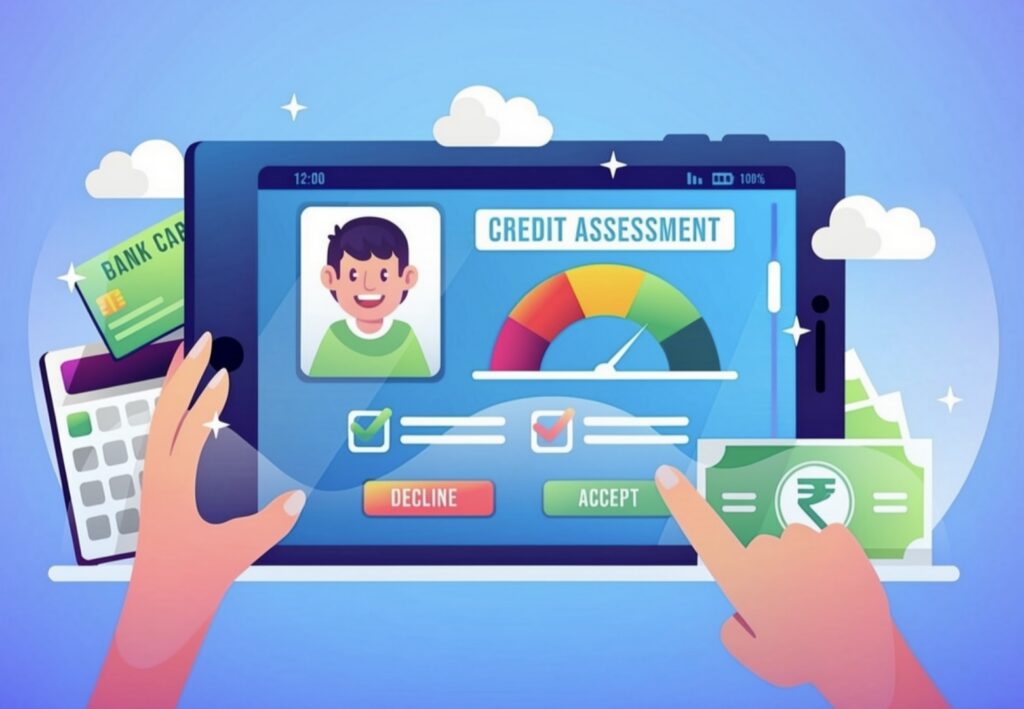
Your credit score gives lenders an initial indication of how you have managed previous credit commitments. A history of paying loan instalments and credit card dues on time generally supports a stronger credit profile. Repeated missed payments, defaults or high outstanding balances may raise concerns. A good score does not automatically guarantee loan approval, but it can help establish confidence in your repayment track record.
- It can influence your loan eligibility
Lenders have their own credit policies and eligibility criteria. Some may require a minimum score for particular loan products, while others may consider applicants with different credit profiles based on additional factors.
For example, a business owner seeking funds for expansion may have a good credit score but insufficient cash flow to support the proposed repayment schedule. The lender will need to assess both aspects. Your credit score is therefore an important part of the application, not the only deciding factor.
- It may affect the terms offered
A stronger credit profile can improve your position when a lender evaluates your application. Depending on the lender’s policies and the type of loan, creditworthiness may influence the terms offered.
However, there is no universal credit-score threshold that guarantees a particular interest rate, loan amount or repayment period. Income, business performance, collateral, existing obligations and lender-specific policies also matter.
- It can help you identify financial issues early
Checking your credit report regularly can reveal missed-payment entries, unfamiliar accounts, incorrect outstanding balances or other reporting errors.
Finding these issues early gives you an opportunity to investigate and raise a dispute where necessary, rather than discovering them when you urgently need funds.
- It matters for business owners too
Credit assessment is not limited to salaried individuals. Entrepreneurs, MSMEs and agricultural businesses may also be evaluated on their borrowing history, existing liabilities and financial performance.
For business-related borrowing, lenders may consider the credit profiles of relevant individuals, the business’s financial statements, cash flow, banking records and other applicable information. A healthy credit history can support the application process, while organised financial records help demonstrate the business’s ability to manage repayments.
What factors affect your credit score?
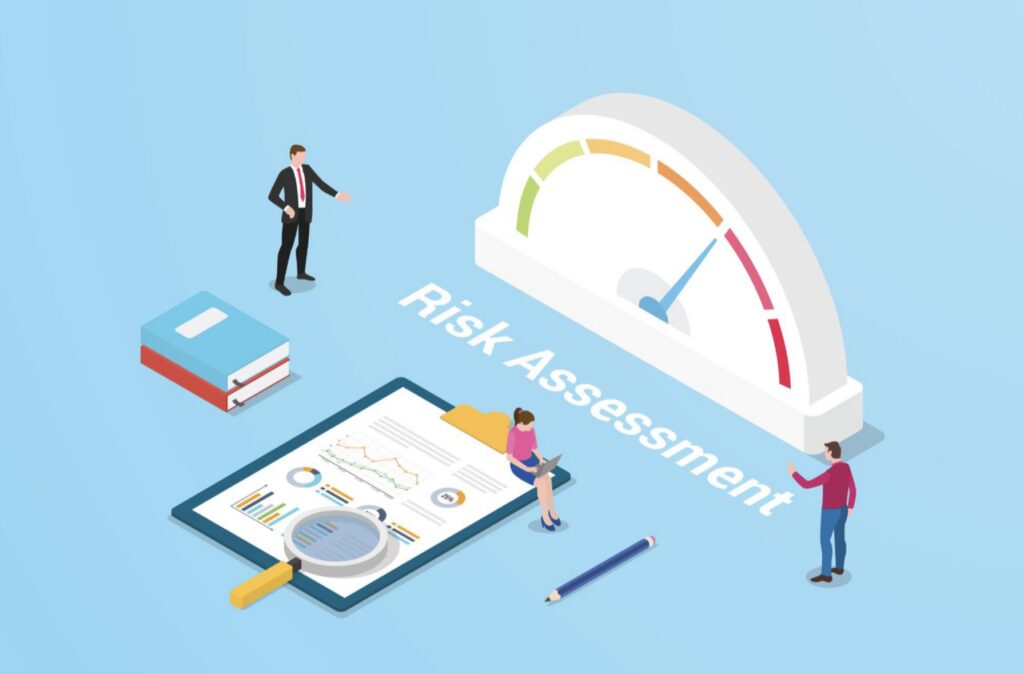
Several factors can influence your score, although their relative importance varies by credit-scoring model.
- Payment history: Paying EMIs and credit card dues on time helps maintain a positive record.
- Credit utilisation: Using a large proportion of your available credit limit may indicate financial pressure.
- Length of credit history: A longer, well-managed credit history can provide more information about repayment behaviour.
- Credit enquiries: Multiple applications for credit within a short period may warrant closer assessment.
- Credit mix: Your combination of secured and unsecured borrowing may form part of the assessment.
It is worth remembering that income and savings are not themselves the same as a credit score. A person can earn well and still have a weak credit history, while someone with a modest income may maintain a strong repayment record.
How can you improve your credit score?
Start by checking your credit report for accuracy. Pay EMIs and card dues on time, keep outstanding balances manageable and avoid applying for several credit products without a clear need. If you have overdue accounts, work towards resolving them and maintaining consistent repayments. If an entry appears incorrect, raise a dispute with the relevant credit bureau and lender.
Most importantly, allow time for positive repayment behaviour to reflect in your credit profile. There is no reliable shortcut that guarantees an immediate improvement.

How Agriwise supports your borrowing needs
Agriwise Finserv is an RBI-registered systemically important non-banking financial company that provides financing solutions for businesses, agricultural enterprises, MSMEs and other eligible borrowers.
Its offerings include Agri Term Loans, Secured Business Loans, Warehouse Receipt Finance, Supply Chain Finance, Farmer Finance and Customised Working Capital Loans. These products address different funding requirements, from business expansion and working capital to financing against eligible agricultural commodities stored in warehouses.
When assessing an application, borrowers should understand that approval depends on the applicable eligibility criteria, credit assessment, financial position, documentation and product-specific requirements. A strong credit score can support the process, but it does not replace these checks. By understanding your credit profile before applying, you can prepare your documents, evaluate your funding needs and approach the right financing option with greater clarity.
Conclusion
Your credit score is more than a number. It is one part of the financial picture lenders use to understand your repayment behaviour and assess lending risk.
Monitoring it regularly, correcting errors and maintaining disciplined repayment habits can help you prepare for future borrowing. Whether you are funding a business opportunity or managing working capital, informed credit decisions begin well before the loan application is submitted.
FAQs
- What is a good credit score for a loan in India?
A score of 750 or above is commonly considered favourable by many lenders, but requirements vary by lender and loan product. A high score does not guarantee approval.
- Does checking my own CIBIL Score reduce it?
Checking your own score is generally treated as a soft enquiry and does not lower it. Credit applications made to lenders may result in hard enquiries.
- Can I get a loan with a low credit score?
Possibly. Some lenders may consider applications with lower scores depending on income, repayment capacity, collateral and other factors. Approval is not guaranteed.
- How long does it take to improve a credit score?
There is no fixed timeline. Improvements depend on the reasons for a low score, repayment behaviour, credit utilisation and how quickly updated information appears in the credit report.
- Does Agriwise offer loans based only on a credit score?
No single score determines every application. Agriwise evaluates applications according to the relevant product’s eligibility requirements, financial assessment and other applicable lending criteria.